
A reliable Reflective Signage Manufacturer plays an important role in developing transportation infrastructure, industrial facilities, logistics parks, commercial properties, and public utility projects. As India continues to invest in highways, railways, smart cities, warehousing hubs, and industrial corridors, the demand for durable visibility solutions is growing rapidly. Therefore, organizations are increasingly seeking professionally manufactured systems that remain clear, durable, and easy to recognize under varying environmental conditions.
Whether installed on expressways, municipal roads, parking facilities, factory premises, railway corridors, or commercial campuses, these products help communicate important information to drivers, pedestrians, visitors, and employees. Moreover, government agencies, contractors, infrastructure developers, and private organizations must ensure that the products they deploy comply with established standards and project specifications. As a result, selecting the right manufacturing partner has become just as important as choosing the correct materials and designs.
Modern visibility systems are manufactured using specialized materials, durable substrates, and standardized layouts that help improve recognition from greater distances. Furthermore, these solutions are designed to withstand harsh weather conditions, prolonged outdoor exposure, and demanding operating environments. Consequently, they have become an essential part of transportation networks, industrial operations, facility management programs, and public infrastructure projects.
This guide explores the role of a Reflective Signage Manufacturer, common applications across industries, material options, manufacturing processes, installation considerations, and compliance requirements. In addition, we will examine Indian Roads Congress (IRC) classifications, standard colors, shapes, dimensions, and commonly specified products used throughout the country. You will also learn how Reflective Signage Printing contributes to the production process and what factors should be considered when selecting a supplier for highways, railways, PWD projects, industrial facilities, parking systems, and commercial developments. By the end of this guide, you will have a clear understanding of how to choose solutions that deliver long term performance, regulatory compliance, and operational reliability.
What Are Reflective Signages?
Reflective signages are specially manufactured visual communication products designed to remain highly visible in outdoor environments and low light conditions. They are commonly used to display directions, regulations, warnings, facility information, and operational instructions across transportation networks, industrial facilities, commercial properties, and public infrastructure. Therefore, these products help users identify important information quickly, even from longer distances. Unlike standard boards used primarily for indoor applications, reflective signages are designed to perform effectively in demanding environments where visibility is essential for smooth movement and communication.
Common Uses of Reflective Signages
These products are widely installed across both public and private sector projects because they help communicate information clearly and consistently.
- National highways and expressways
- State roads and municipal streets
- Railway stations and rail corridors
- Parking facilities and commercial complexes
- Manufacturing plants and warehouses
- Educational institutions and hospitals
- Logistics parks and industrial zones
- Smart city and infrastructure projects
Why Are Reflective Signages Important?
Reflective signages improve visibility, navigation, and communication across transportation, industrial, and commercial environments.
- Improves day and night visibility
- Supports navigation and wayfinding
- Enhances communication effectiveness
- Helps meet compliance requirements
- Suitable for outdoor environments
- Durable and weather resistant
- Reduces maintenance needs
- Supports public awareness
Benefits of Reflective Signages
Reflective signages provide several advantages beyond visibility alone. Therefore, they are widely adopted across highways, railways, industrial facilities, parking systems, and commercial developments. Moreover, these solutions help organizations improve communication, support compliance requirements, and create a more organized environment for users, visitors, employees, and vehicle operators.
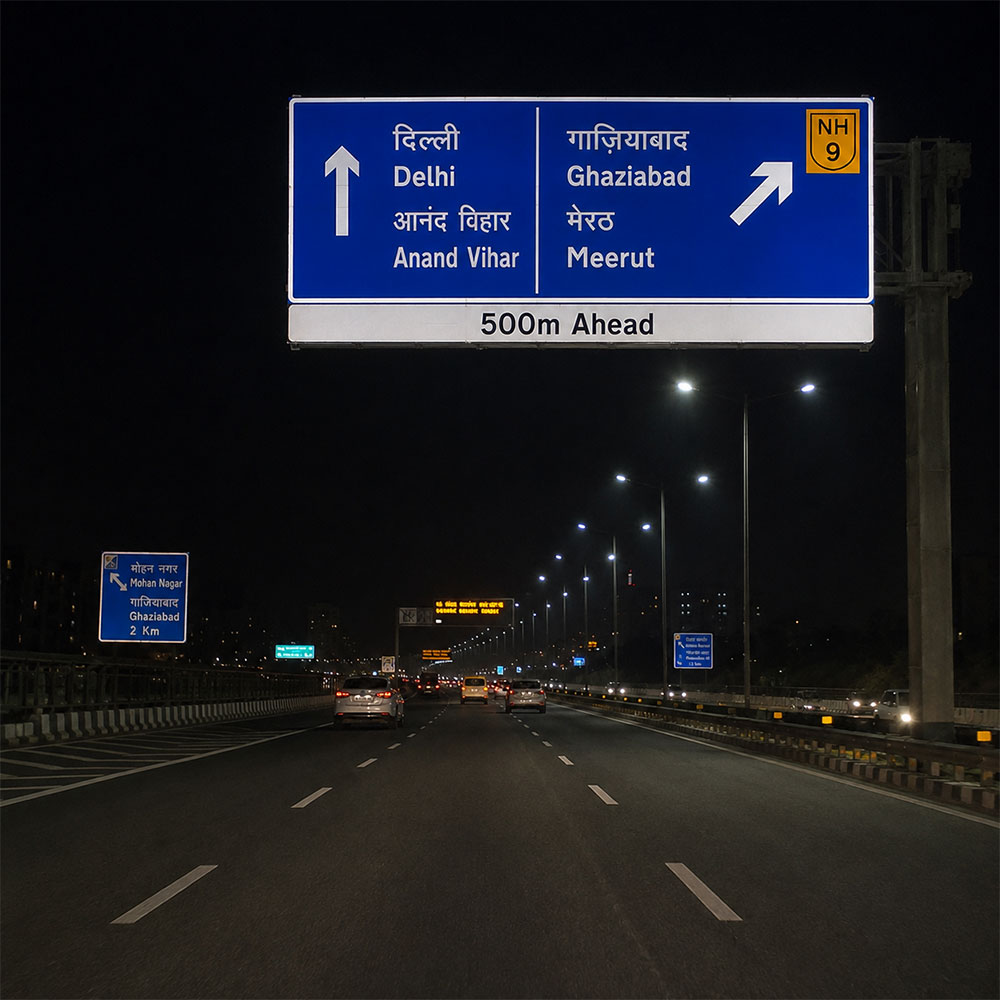
Visibility
Improves recognition of important information from longer distances during both day and night.
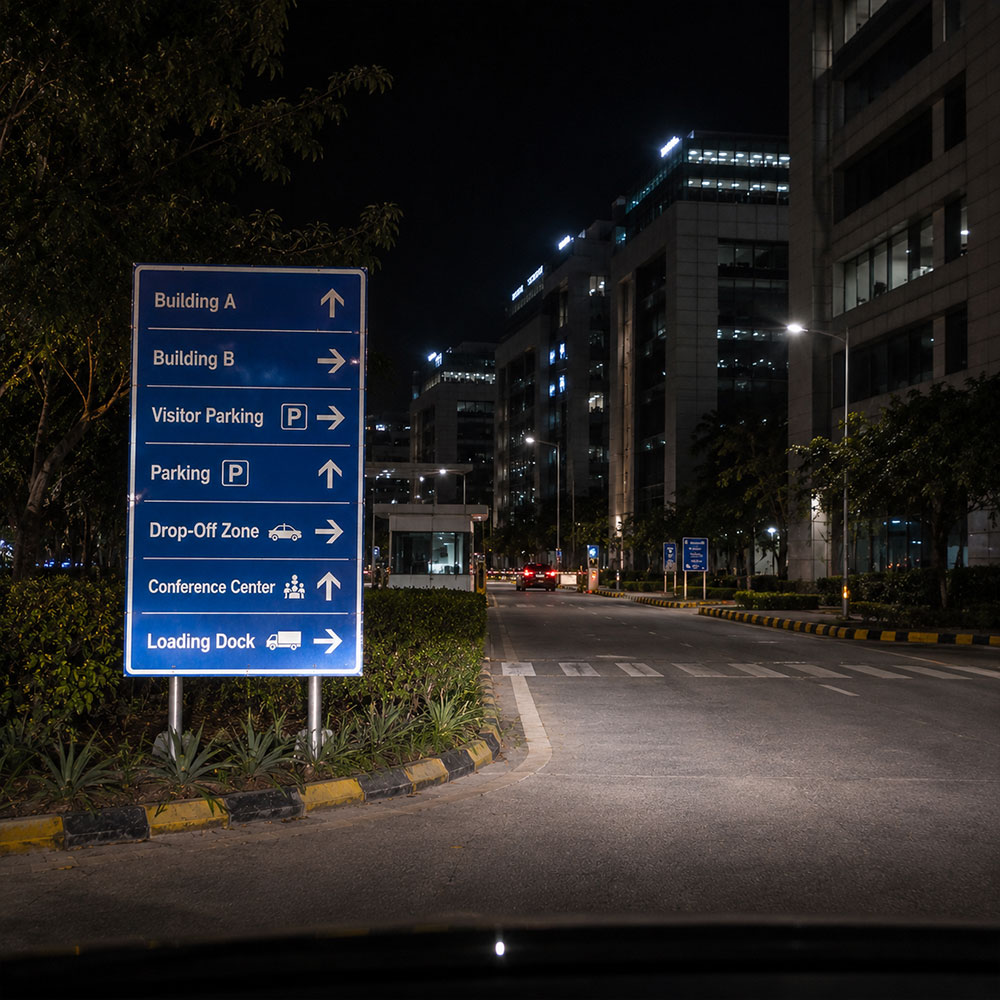
Navigation
Helps drivers and visitors locate destinations quickly while reducing confusion and wrong turns.
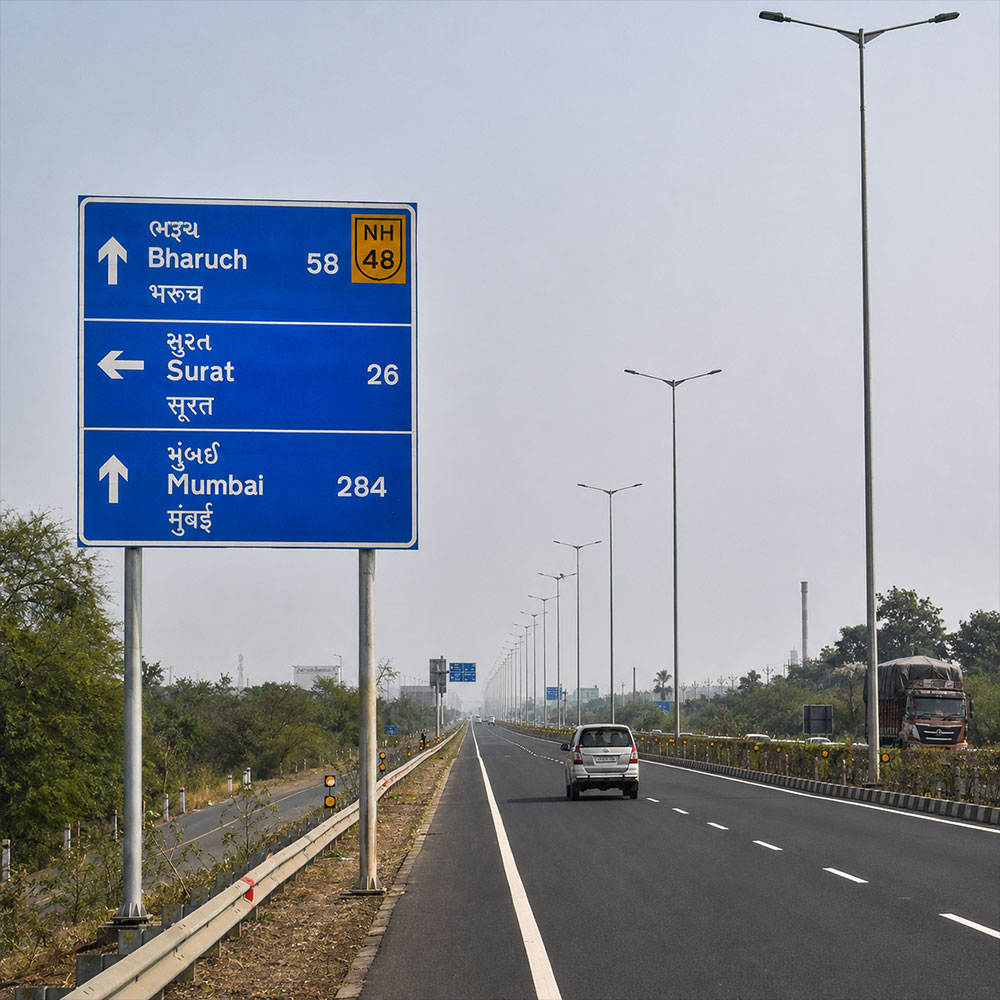
Compliance
Supports adherence to IRC guidelines and project specifications across public infrastructure developments.
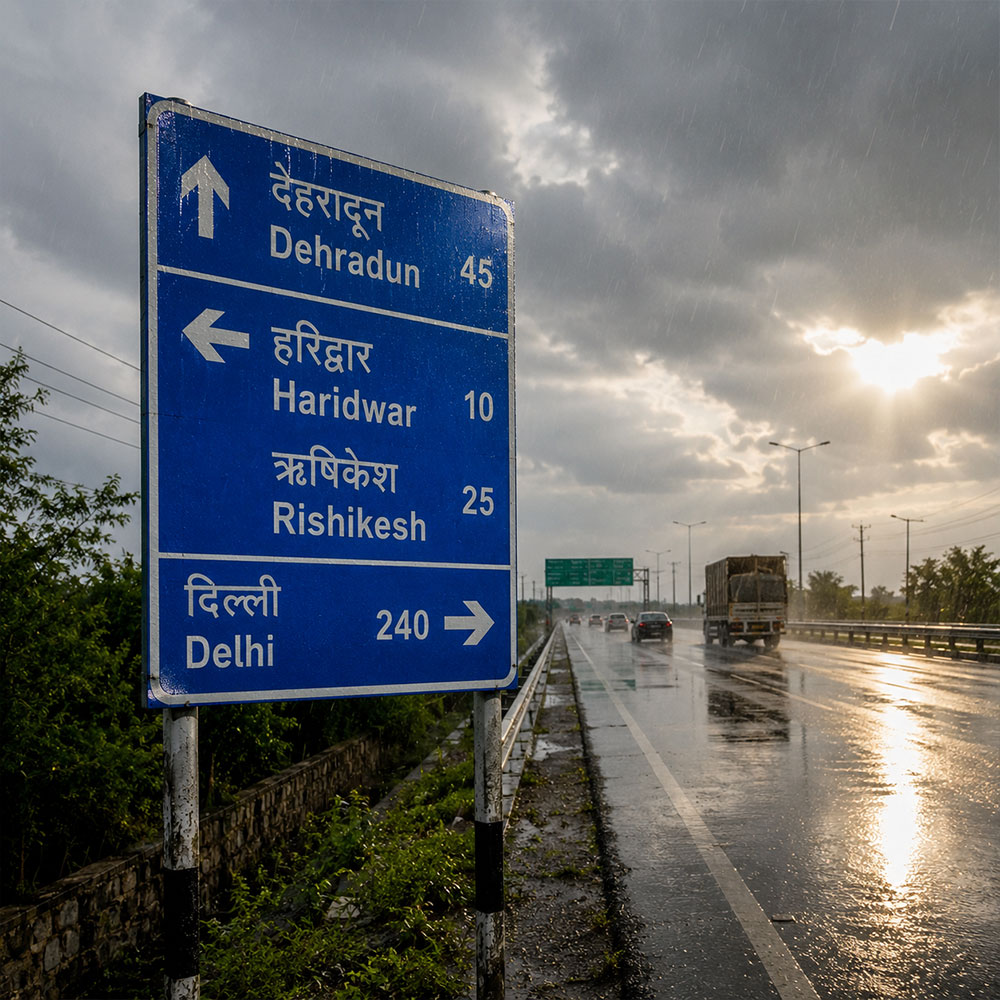
Durability
Withstands sunlight, rain, dust, and continuous outdoor exposure for reliable long term performance.
Common Applications Across Industries
Reflective signages are used across a wide range of industries where visibility, navigation, compliance, and public communication are important. Therefore, they have become an essential part of transportation networks, industrial facilities, commercial developments, and public infrastructure projects. Moreover, different sectors rely on these solutions to guide users, communicate regulations, identify hazards, and improve operational efficiency. The following industries represent the most common applications across India.
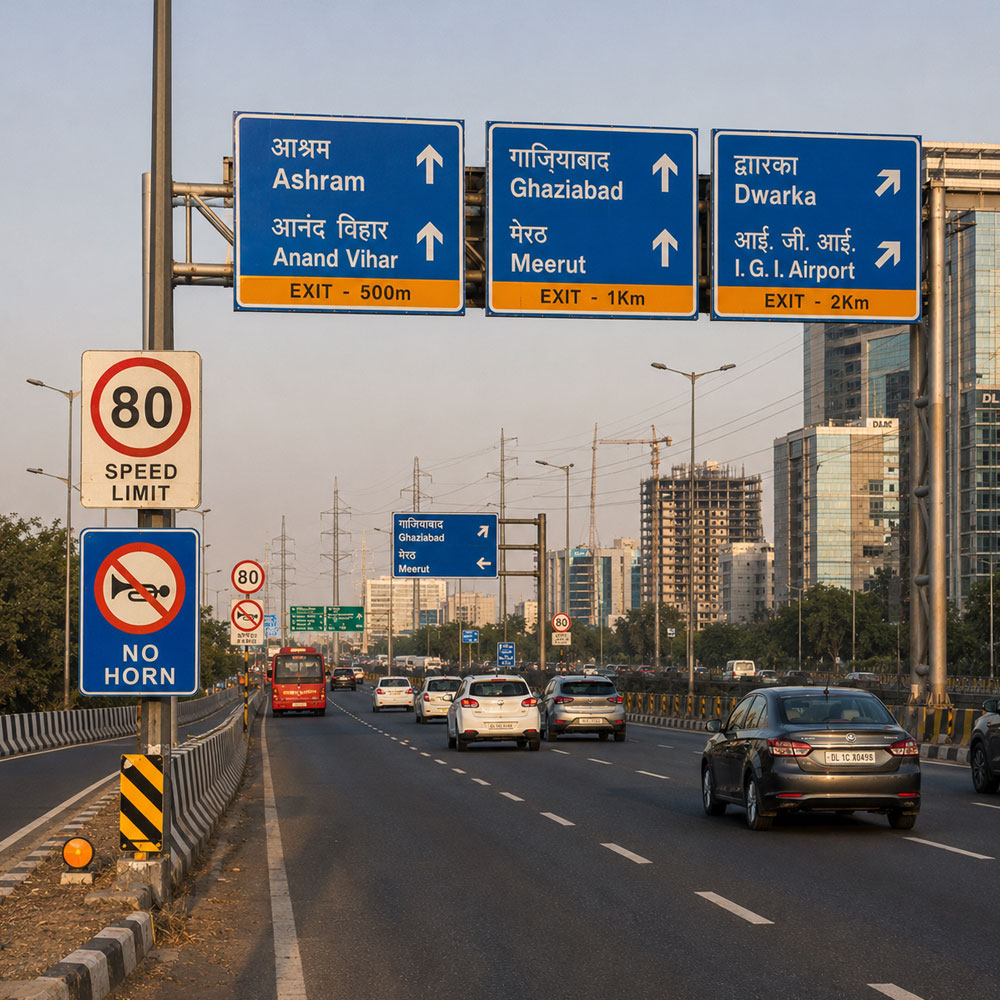
Transportation
Supports highways, expressways, railways, and urban roads with directional and regulatory information.
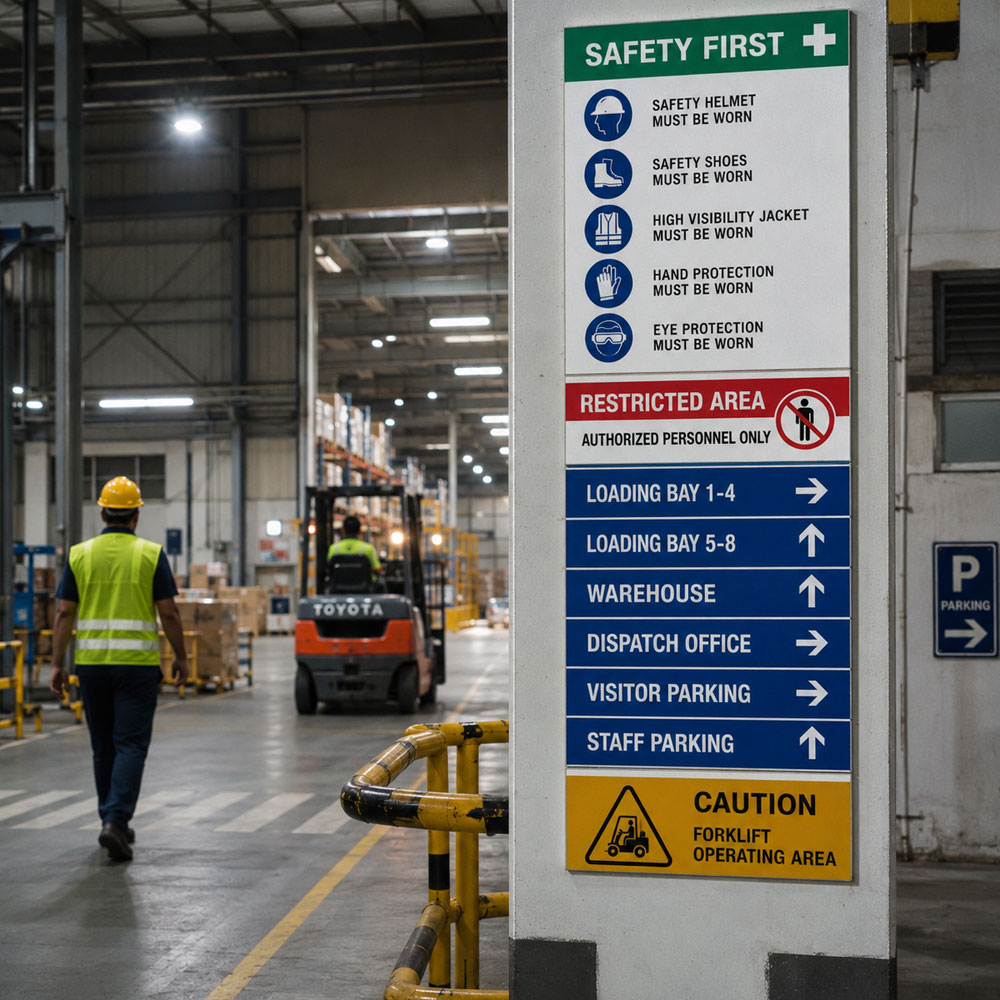
Industrial
Improves communication, hazard awareness, and navigation throughout factories, warehouses, and logistics facilities.
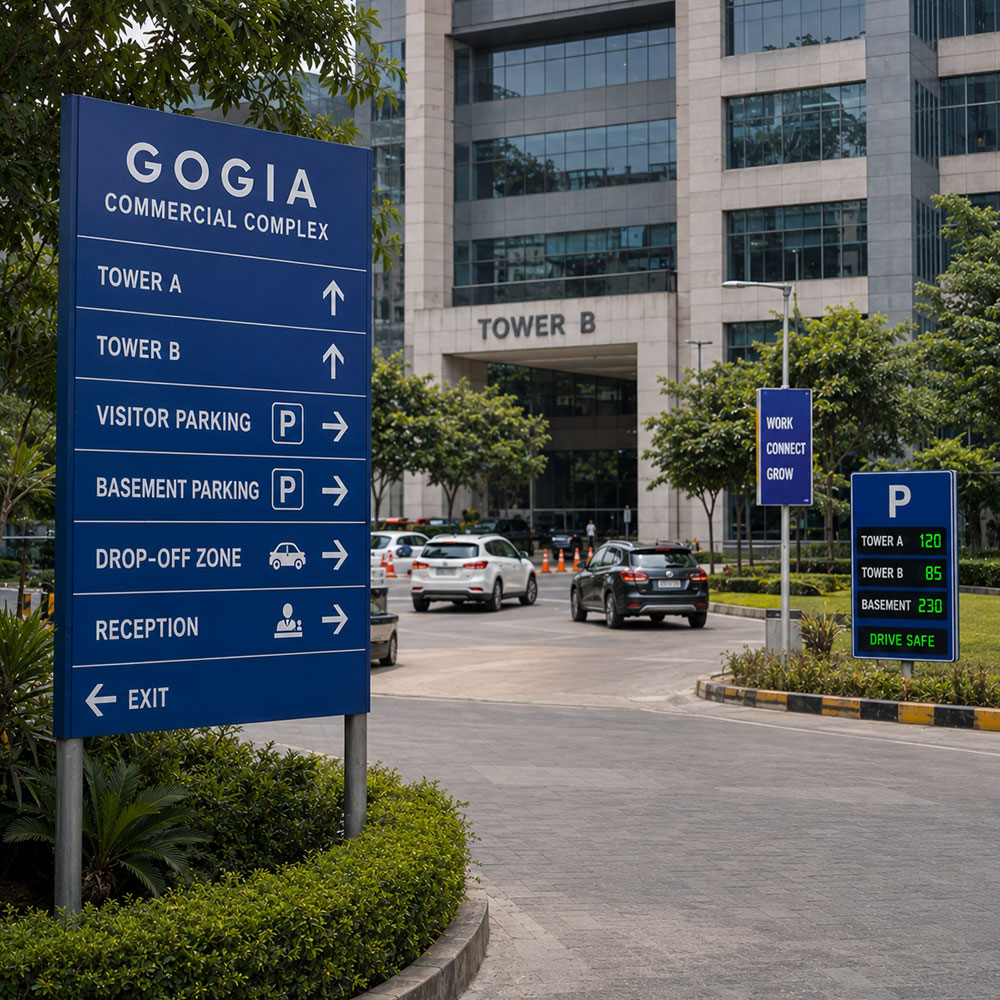
Commercial
Guides visitors and vehicles through shopping centers, office parks, and business complexes.
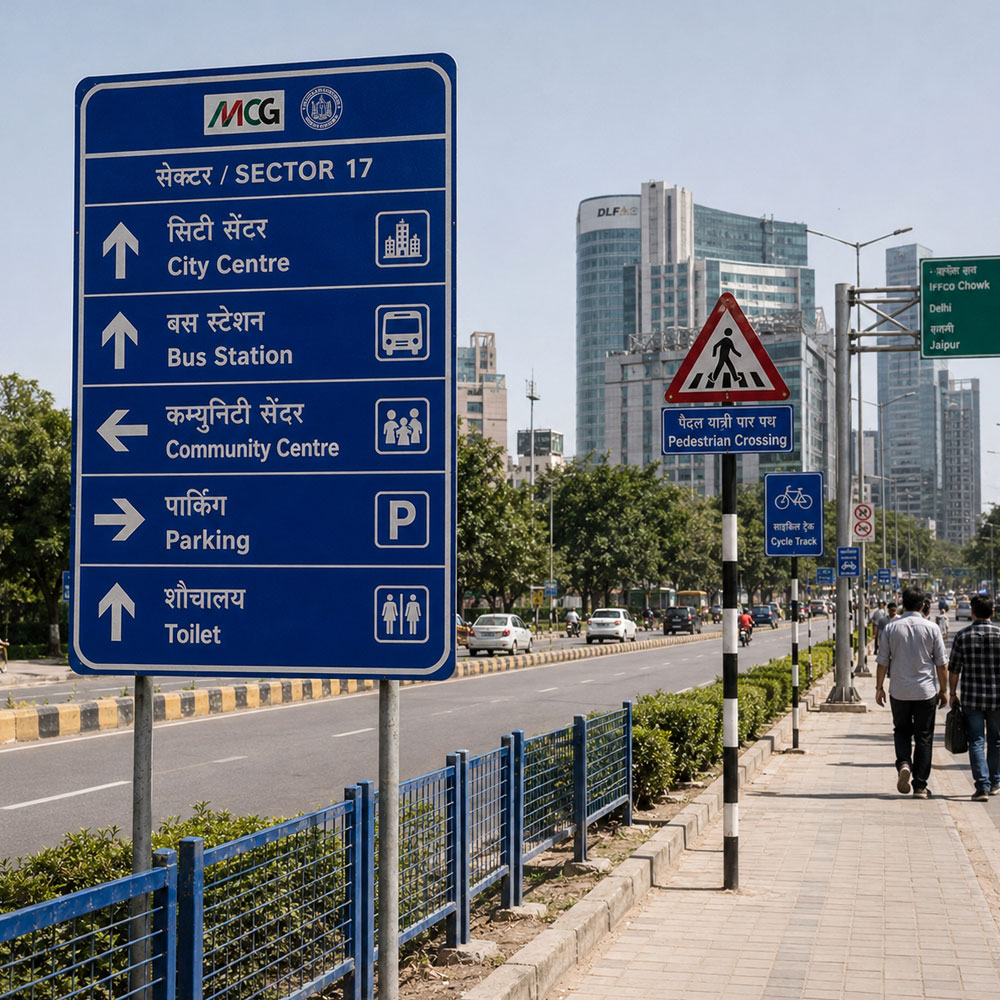
Government
Supports PWD, CPWD, smart city, municipal, and public infrastructure communication projects nationwide.
Understanding IRC Road Sign Classifications
The Indian Roads Congress (IRC) classifies road signages into distinct categories to ensure consistency, recognition, and compliance across transportation networks. Therefore, each category serves a specific purpose and follows standardized colors, shapes, and symbols. Understanding these classifications helps contractors, infrastructure developers, government agencies, and facility managers select the appropriate signage for their projects.
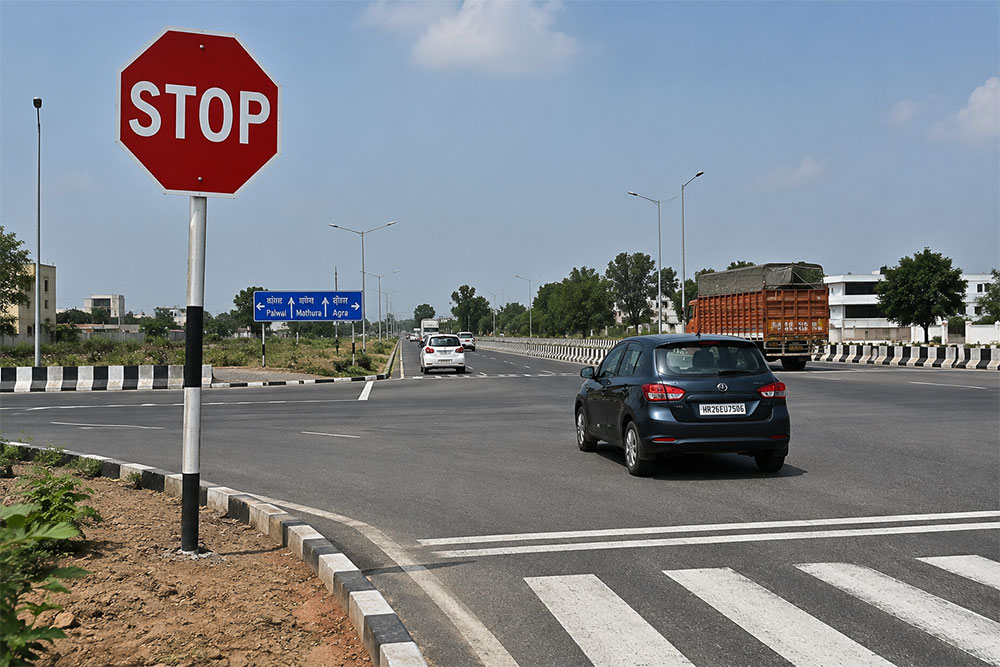
Regulatory Signs
Communicate legally enforceable instructions such as STOP, GIVE WAY, NO ENTRY, SPEED LIMIT, and NO PARKING. These signs help maintain orderly movement, improve compliance, and support road user safety.
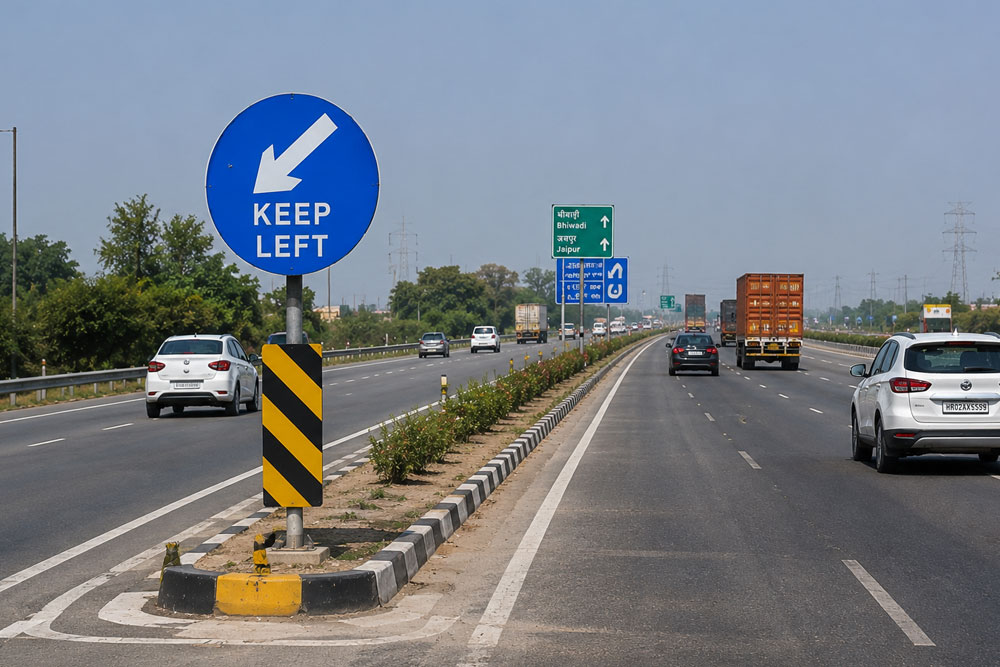
Direction Signs
Guide drivers, cyclists, and pedestrians using signs such as KEEP LEFT, TURN RIGHT, CYCLE TRACK, and PEDESTRIAN ONLY. These signs improve navigation, reduce confusion, and support efficient movement.
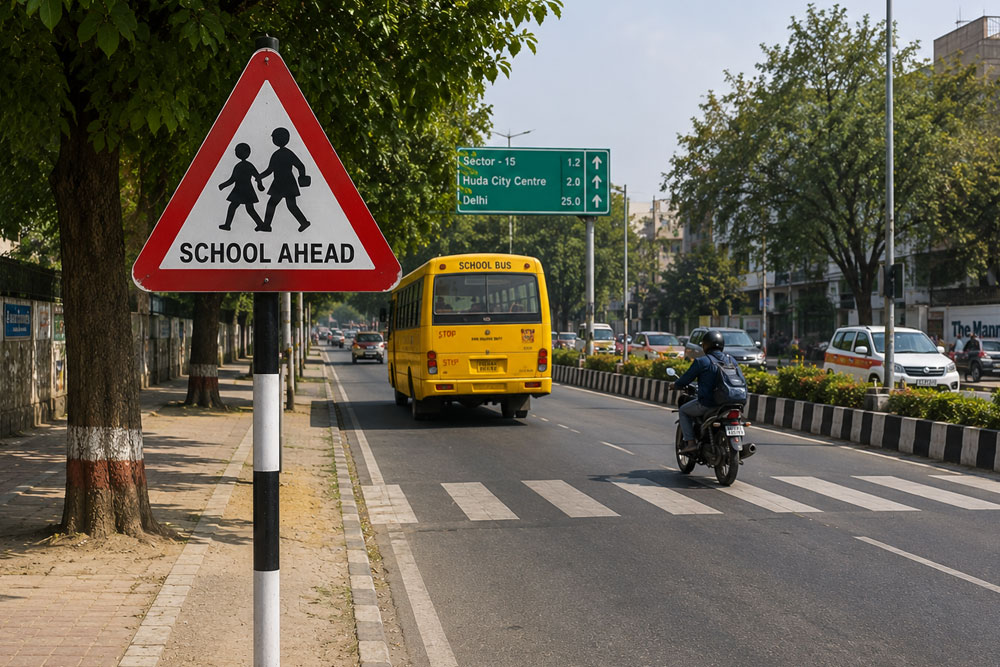
Warning Signs
Alert users to potential hazards through signs such as SCHOOL AHEAD, NARROW BRIDGE, MEN AT WORK, and RAILWAY CROSSING. These signs encourage caution and improve awareness before hazards.
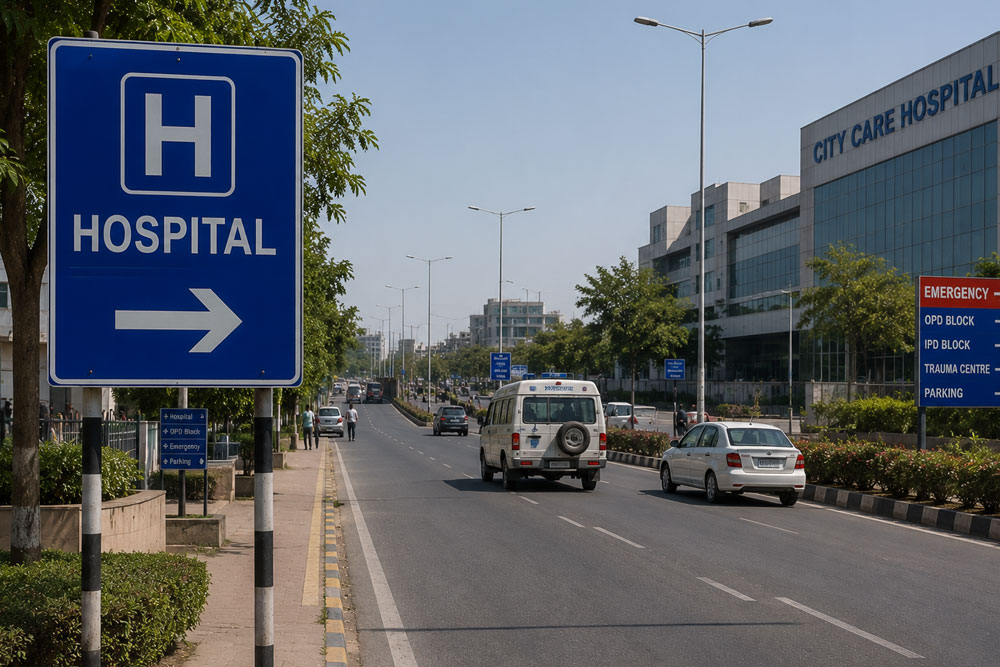
Information Signs
Provide guidance to destinations and facilities through HOSPITAL, PARKING, FUEL STATION, TOURIST INFORMATION, and PUBLIC SERVICES signs. These signs help users locate essential services efficiently.
Standard Colors, Shapes and Sizes Used in India
Consistency is one of the most important principles in road communication systems. Therefore, the Indian Roads Congress (IRC) has established standardized colors, shapes, and dimensions to ensure that road users can quickly recognize and understand information regardless of location. Whether installed on highways, municipal roads, railway crossings, industrial facilities, or commercial properties, these standards help create a uniform experience across the country. Moreover, contractors, infrastructure developers, and government agencies rely on these specifications to maintain compliance and improve communication effectiveness.
Standard Color Specifications
| Sign Type | Background | Border | Symbol/Text |
|---|---|---|---|
| Regulatory | White | Red | Black |
| Warning | White | Red | Black |
| Informatory | Blue / Green | White | White |
| Direction | Green | White | White |
| Tourist | Brown | White | White |
| Temporary Work Zone | Yellow / Orange | Black | Black |
Standard Shape Specifications
Shapes play an equally important role in helping road users identify sign categories from a distance. Therefore, each category follows a unique shape that supports quick recognition and faster decision making.
| Sign Type | Shape |
|---|---|
| Regulatory | Circular |
| STOP | Octagonal |
| GIVE WAY | Inverted Triangle |
| Warning | Upright Triangle |
| Informatory | Rectangular |
Common Sign Sizes Used in India
Sign dimensions vary depending on vehicle speed, viewing distance, and road category. Consequently, larger sizes are typically used on highways and expressways where information must be visible from greater distances.
| Road Category | Typical Size |
|---|---|
| Urban Streets | 600 mm |
| Major Roads | 900 mm |
| High Speed Roads | 1200 mm |
Standardized colors, shapes, and sizes help road users interpret information quickly and consistently, regardless of location. Therefore, a driver can instantly recognize a warning sign, regulatory instruction, or directional display without relying solely on the written message. Moreover, uniform specifications improve visibility, reduce confusion, and support compliance across highways, railways, industrial facilities, and public infrastructure projects. As a result, standardization plays a vital role in improving communication effectiveness, enhancing user awareness, and maintaining consistency throughout India’s transportation and infrastructure networks.
Materials Used in Reflective Signages
Different projects require different levels of visibility, durability, and viewing distance. Therefore, reflective signages are manufactured using specific grades of retro reflective sheeting selected according to project requirements. The most commonly used materials include Engineering Grade, High Intensity Prismatic (HIP), and Diamond Grade sheeting, each designed for a particular environment and traffic condition.
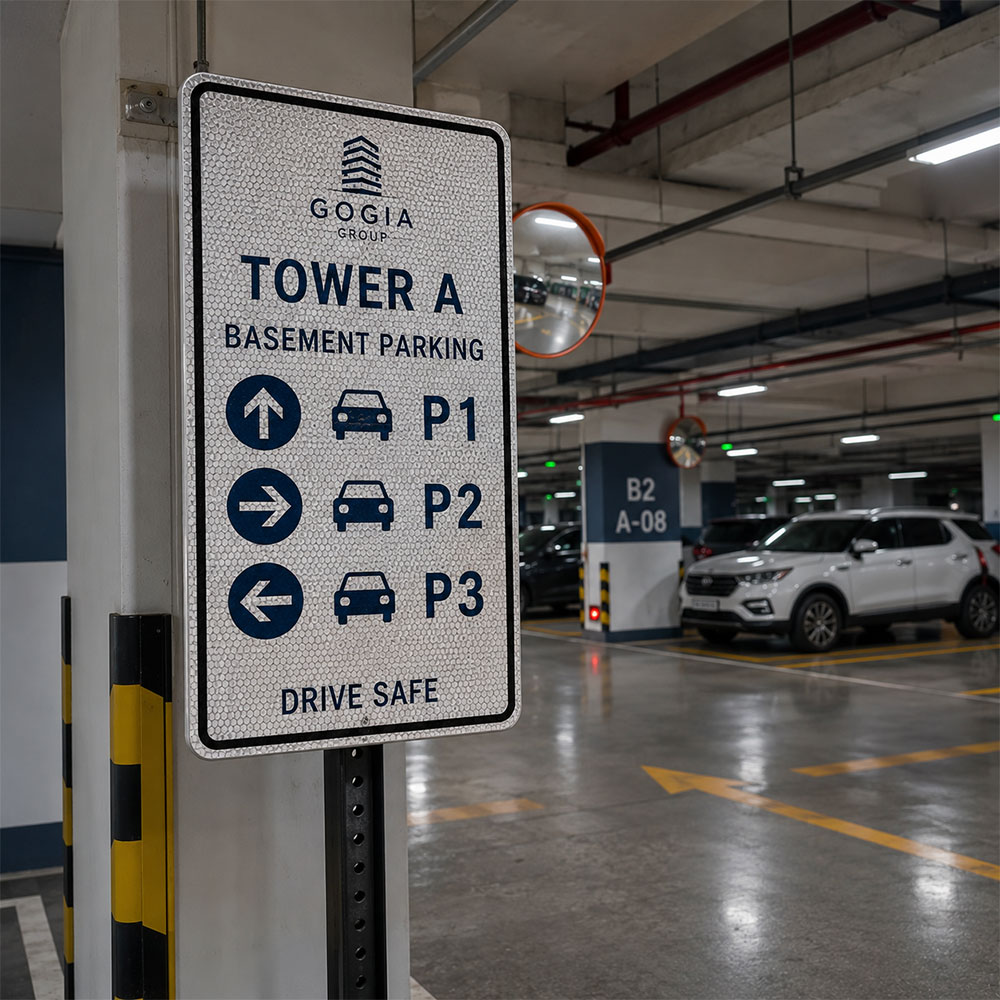
Engineering Grade
Suitable for parking facilities, residential communities, campuses, and private roads requiring basic visibility enhancement.
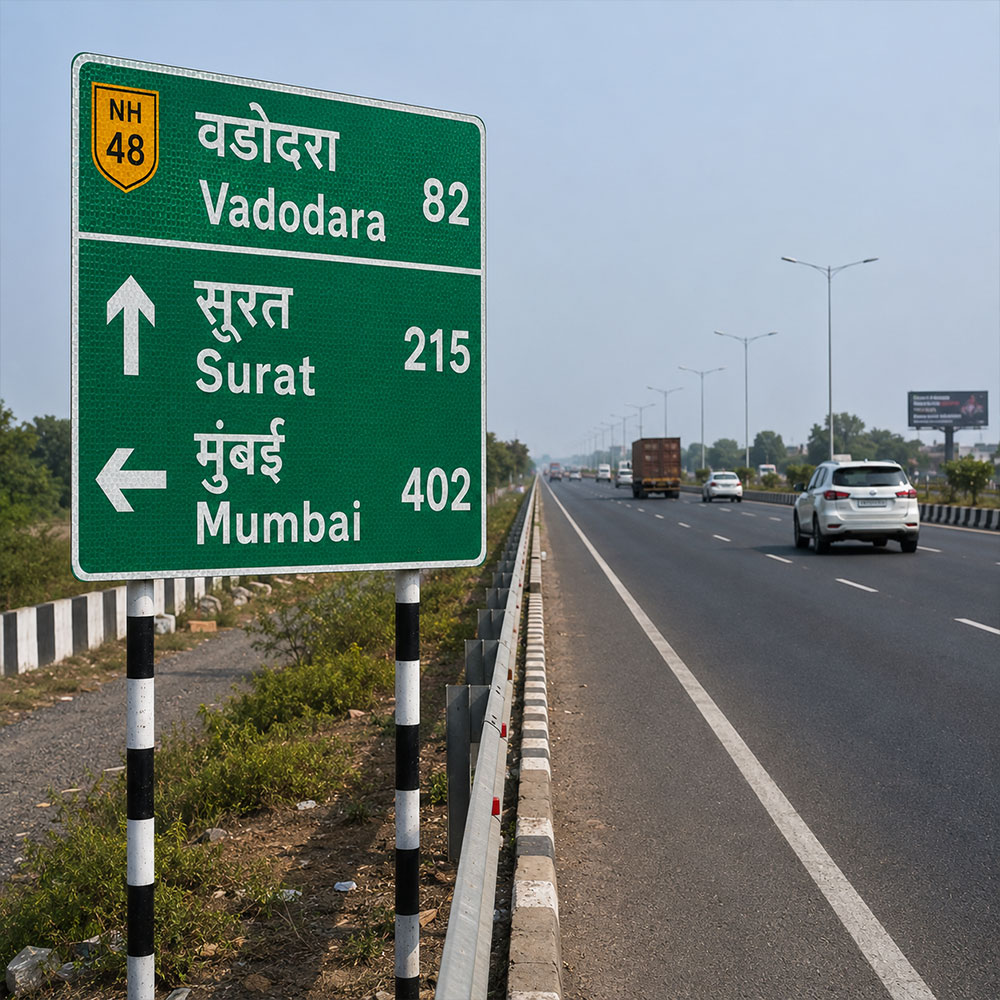
HIP Sheeting
Commonly used on municipal roads and state highways requiring improved visibility and recognition.
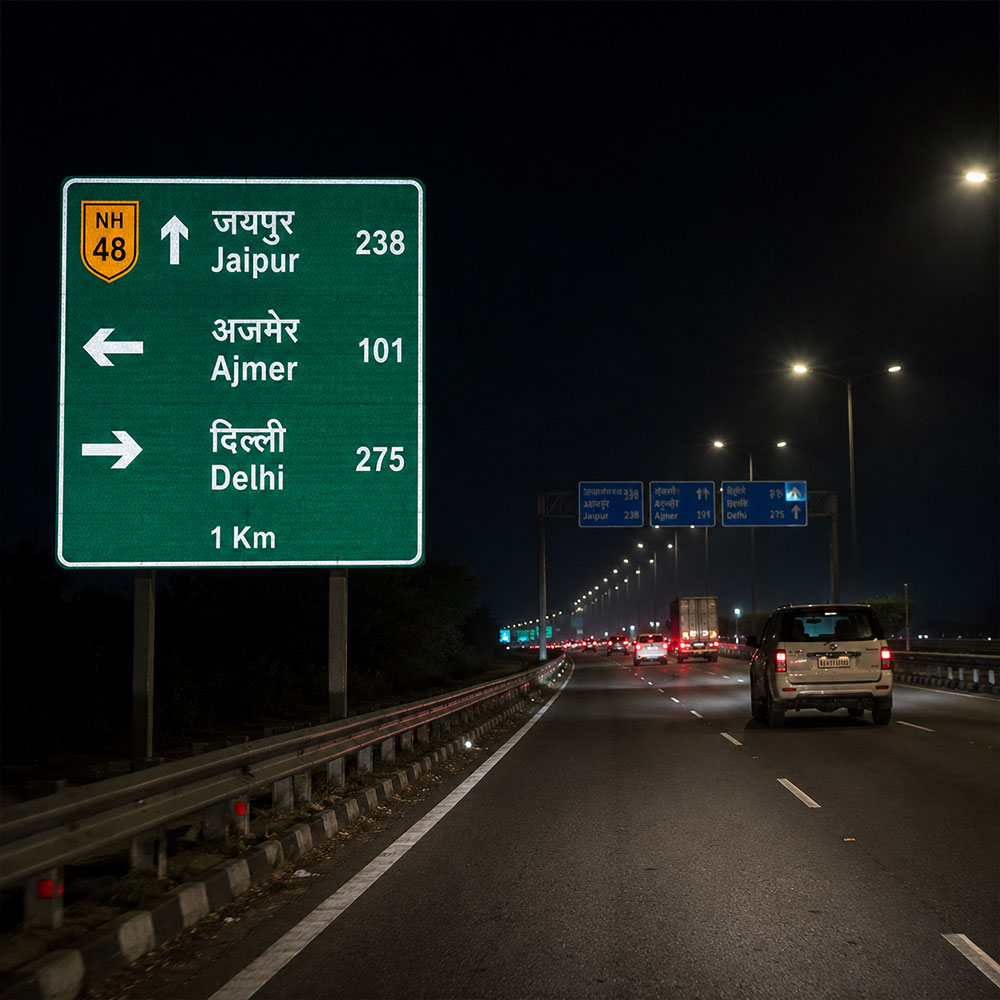
Diamond Grade
Preferred for expressways, national highways, and critical warning locations requiring maximum visibility performance.
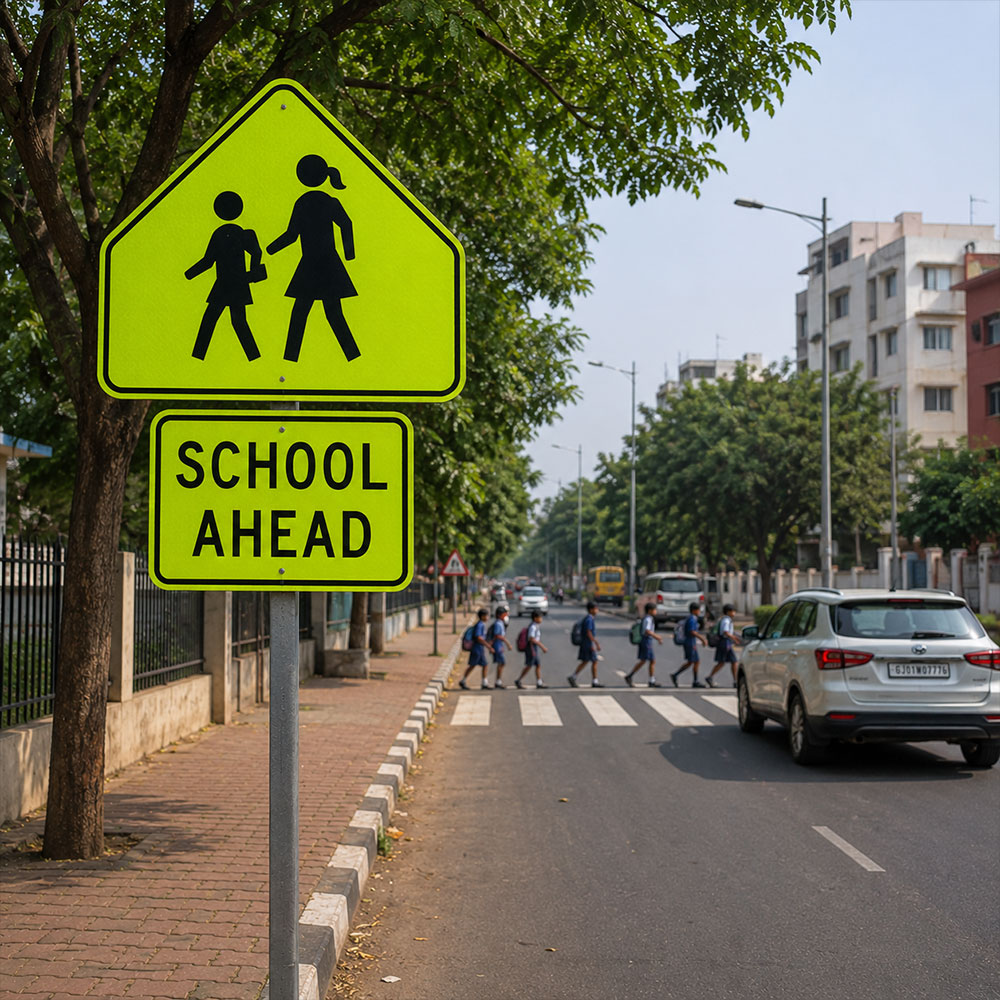
Fluorescent Sheeting
Used for school zones, pedestrian crossings, work zones, and hazard locations requiring greater attention.
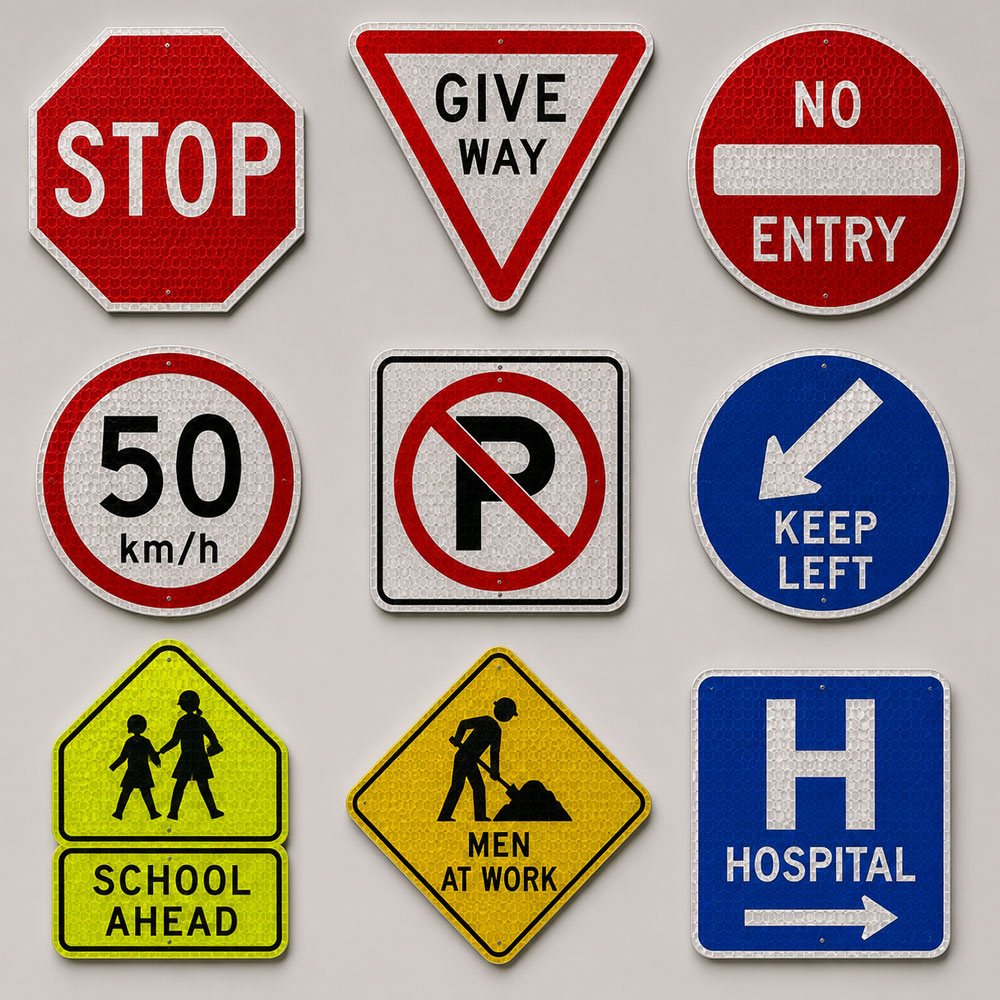
Popular Reflective Signages Across India
From highways and expressways to factories and parking facilities, reflective signages are used to communicate critical information clearly and consistently. Therefore, certain sign types are commonly specified across government, industrial, transportation, and commercial projects. The examples below represent some of the most frequently manufactured and installed signages throughout India.
- STOP Sign
- GIVE WAY
- NO ENTRY
- SPEED LIMIT
- NO PARKING
- KEEP LEFT
- ONE WAY
- SCHOOL AHEAD
- MEN AT WORK
FAQs
They communicate directions, warnings, regulations, and information across roads, facilities, and infrastructure projects.
Diamond Grade materials are commonly preferred for highways requiring maximum visibility and performance.
Yes, quality materials withstand sunlight, rain, dust, and challenging outdoor environmental conditions.
Most transportation projects require designs, colors, shapes, and sizes aligned with IRC guidelines.
Yes, signages can be produced in project specific sizes, layouts, symbols, and specifications.
Why ChooseGogia Print-O-Grafix?
Selecting the right partner is essential for infrastructure, industrial, and commercial projects. Therefore, Gogia Print-O-Grafix combines manufacturing expertise, quality materials, and project execution capabilities to deliver durable and compliant reflective signage solutions across diverse applications.
- IRC compliant signage production
- Precision digital printing and plotter cutting
- Large format manufacturing capabilities
- Color matched production workflows
- Consistent batch to batch quality control
- Custom fabrication for project specifications
- Durable outdoor grade production materials
- Fast prototyping and sample development
- Multi location project execution capability
- Dedicated artwork and design support
- Strict quality inspection before dispatch
- Scalable production for large infrastructure projects
- Experienced team for complex signage requirements
- End to end design, manufacturing, and installation services
Whether you require road signages, industrial safety boards, parking guidance systems, or infrastructure displays, Gogia Print-O-Grafix delivers reliable solutions designed for visibility, durability, compliance, and long term performance across diverse project environments.
Fill the Enquiry Form Below!
Conclusion
Choosing the right Reflective Signage Manufacturer is an important decision for infrastructure developers, contractors, government agencies, industrial facilities, and commercial property owners. Throughout this guide, we have explored how reflective signages support navigation, improve visibility, communicate regulations, and help users identify important information across a wide range of environments. Therefore, these solutions have become an essential part of highways, railways, parking facilities, manufacturing plants, warehouses, and public infrastructure projects.
We also examined the major IRC sign classifications, including regulatory, directional, warning, and information signages, along with the standard colors, shapes, and dimensions used across India. Moreover, understanding these standards helps project owners ensure compliance while maintaining consistency throughout transportation and facility networks. Selecting the appropriate material grade is equally important, whether the project requires Engineering Grade, High Intensity Prismatic, Diamond Grade, or fluorescent sheeting for specialized applications.
As infrastructure investments continue to grow across Delhi NCR and the rest of India, the demand for durable and professionally manufactured visibility solutions is expected to increase. Consequently, working with an experienced production partner can help ensure that projects meet operational requirements, visibility expectations, and applicable standards. From highway directional systems and construction zone boards to industrial safety displays and facility guidance systems, professionally manufactured signages contribute to better communication and more organized environments.
At Gogia Print-O-Grafix, we combine technical expertise, precision manufacturing, and project execution capabilities to deliver high quality solutions for government, infrastructure, industrial, and commercial projects. Whether you require a single installation or a large scale deployment, our team can help deliver durable, compliant, and professionally manufactured signages designed for long term outdoor performance. Contact us today to discuss your project requirements and discover how the right signage solution can support your operational goals.

Related Posts

LED Video Walls for Car Showrooms
Discover how LED video walls transform car showrooms and enhance customer…


10 SEG Fabric Lightbox Ideas for Jewellery Stores to Create Premium Displays
Explore 10 SEG fabric lightbox ideas for jewellery stores to enhance bridal…

Portable Promotional Displays for Retail Stores, Events and Brand Campaigns
Discover how portable promotional displays create flexible, illuminated and…