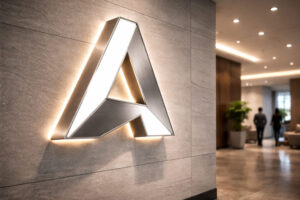
The right outdoor branding ideas can help a business attract attention, improve recognition, and create a strong visual identity in a competitive marketplace. Customers often notice the exterior of a store before they discover what it offers. Therefore, signage, illumination, colours, scale, and placement can significantly influence that first impression. This becomes particularly important on busy commercial streets, where multiple businesses compete for attention and customers may have only a few seconds to notice and remember a location.
However, effective outdoor visibility is not simply about installing the largest or brightest sign. Every location has different requirements based on viewing distance, surrounding architecture, operating hours, traffic movement, and available space. For example, LED Letter Signs can provide prominent day and night visibility, while dimensional signage can create depth and a premium appearance. Additionally, façade branding, illuminated fascia signage, window graphics, freestanding signs, and directional signage can help businesses use different areas of their property more effectively.
Choosing among these options requires careful consideration of readability, placement, durability, illumination, and consistency with the overall brand identity. Moreover, combining suitable formats can create a more coordinated and recognisable outdoor presence.
In this guide, we explore practical outdoor branding options, where they work best, their key advantages, and important factors to consider when selecting an approach that can improve visibility and strengthen customer recognition.
What Makes Outdoor Branding Effective?
Effective outdoor branding should do more than make a business noticeable. It should communicate identity clearly, help customers recognise the location, and remain easy to understand within a short viewing time. In busy retail and commercial environments, customers may see a storefront while walking or driving past. Therefore, every visual element should work together to create a clear and consistent impression.
Several factors contribute to an effective outdoor presence:
- Visibility from the Right Distance: Signage should be appropriately sized and positioned so customers can identify the business from the expected viewing distance.
- Clear and Readable Messaging: Business names and essential information should remain simple and easy to read. Excessive information can reduce visual impact.
- Strong Visual Contrast: Good contrast between lettering, graphics, and the background helps important elements remain visible in different surroundings.
- Consistent Brand Identity: Colours, fonts, graphics, and signage styles should complement the established visual identity of the business.
- Strategic Placement: Signage should be positioned according to customer movement, viewing angles, building architecture, and available exterior space.
- Day and Night Visibility: Businesses operating after daylight hours should consider illumination. For example, an LED Letter Sign can maintain visibility after sunset while creating a distinctive storefront presence.
- Suitable Scale and Proportion: Signage should complement the size and architecture of the property rather than appearing too small or overwhelming.
Ultimately, successful outdoor branding combines readability, placement, visibility, and visual consistency. When these factors are planned together, businesses can create an exterior presence that is easier for customers to notice, recognise, and remember.
10 Outdoor Branding IdeasforBetter Brand Visibility
Choosing the right outdoor branding ideas depends on the location, available space, viewing distance, and how customers approach a business. While some formats provide permanent identification, others support promotional campaigns or improve visibility from specific directions. Therefore, businesses should select formats that complement both their physical environment and visual identity.
LED Letter Signs
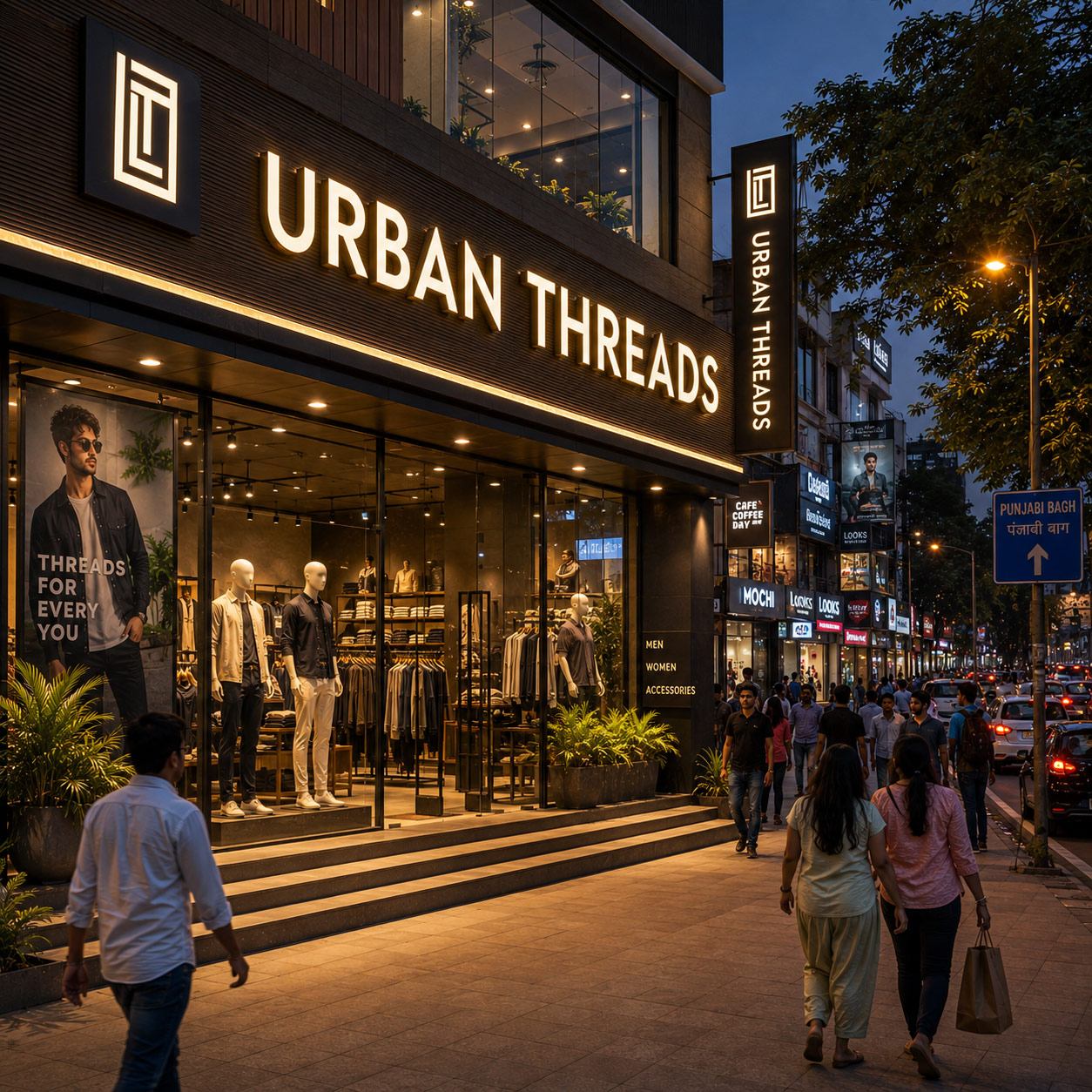
LED letter signs provide a prominent way to display a business name on storefronts and commercial façades. Individual illuminated letters create a clean appearance while helping the name remain visible after sunset. Therefore, this format is particularly suitable for retail stores, restaurants, showrooms, offices, and other locations operating into the evening. Letter size, illumination, colour, mounting position, and viewing distance should be considered carefully during planning. Additionally, the design should complement the architecture rather than overpower it. A professionally designed LED Letter Sign can create a distinctive focal point while supporting consistent identification throughout operating hours.
Dimensional Letter Signage
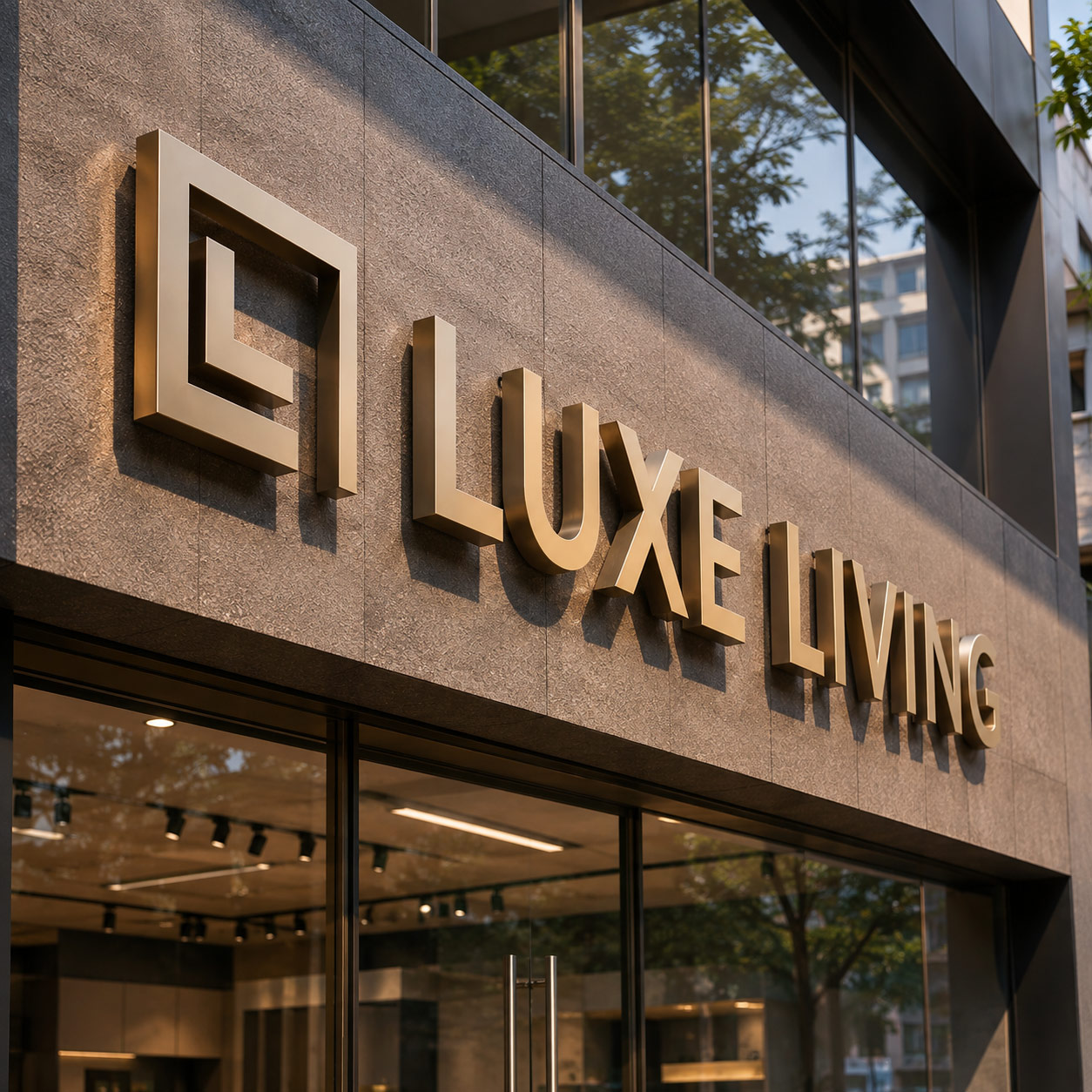
Dimensional letter signage creates physical depth by mounting individual letters or characters onto a building surface. Unlike flat graphics, raised lettering produces natural shadows and gives the storefront a more architectural appearance. As a result, it can work effectively for corporate offices, boutiques, showrooms, clinics, restaurants, and premium retail environments. Different materials and finishes can be selected according to the architecture and desired visual style. However, proportions and spacing should remain balanced to maintain readability. Dimensional letters can also be combined with suitable illumination when greater evening visibility is required, allowing businesses to maintain a sophisticated appearance across different operating environments.
Illuminated Fascia Signage
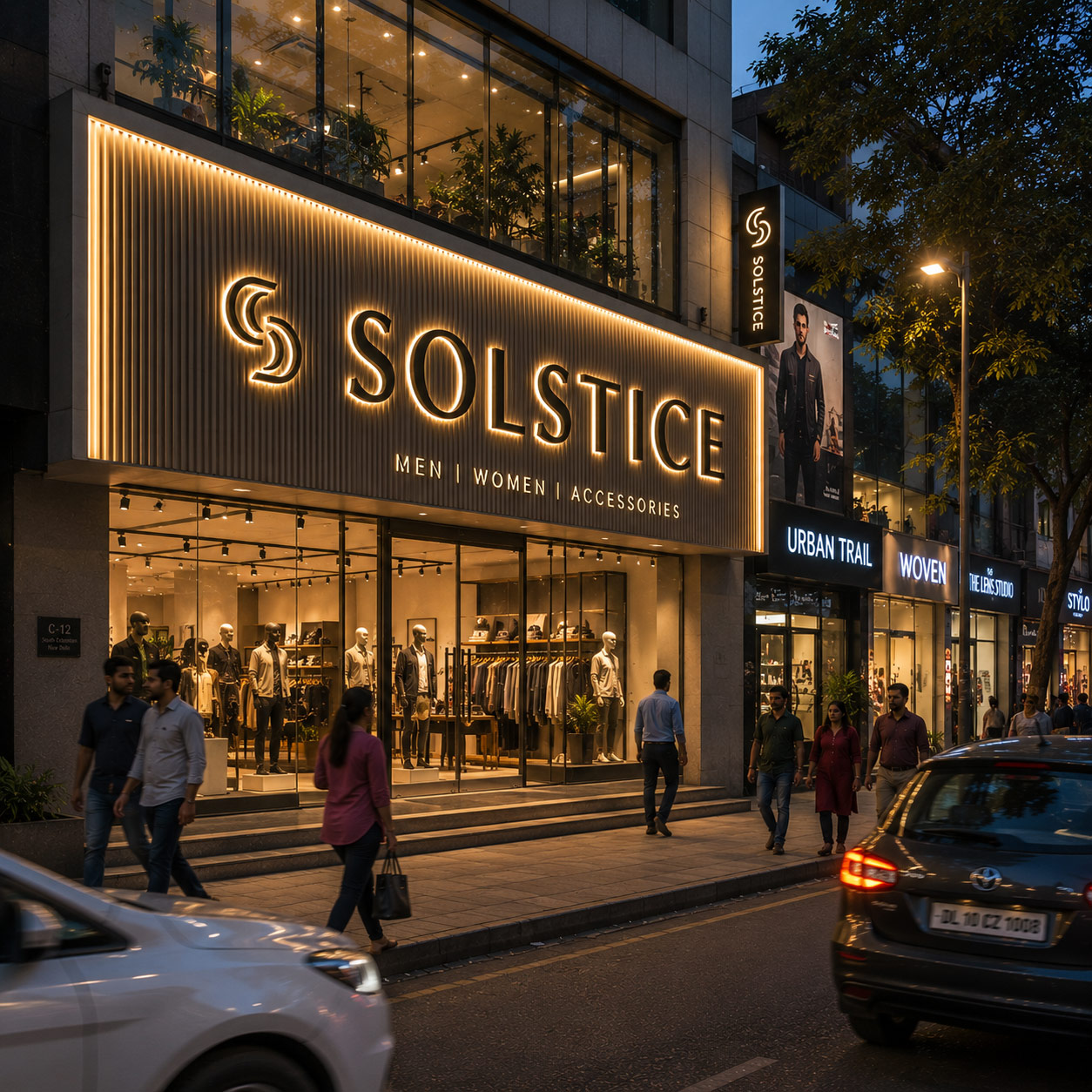
A building fascia provides valuable space for displaying a business identity prominently across the front of a property. Illuminated fascia signage can combine lettering, graphics, colours, and lighting within a clearly defined visual area. Therefore, it works particularly well for stores located in busy markets where several neighbouring businesses compete for attention. The overall dimensions should correspond with the façade, while lettering must remain readable from the expected viewing distance. Additionally, even illumination can help maintain consistent visibility after sunset. A clean fascia design avoids excessive information and concentrates attention on the elements customers need to recognise quickly when approaching the location.
Building Façade Branding
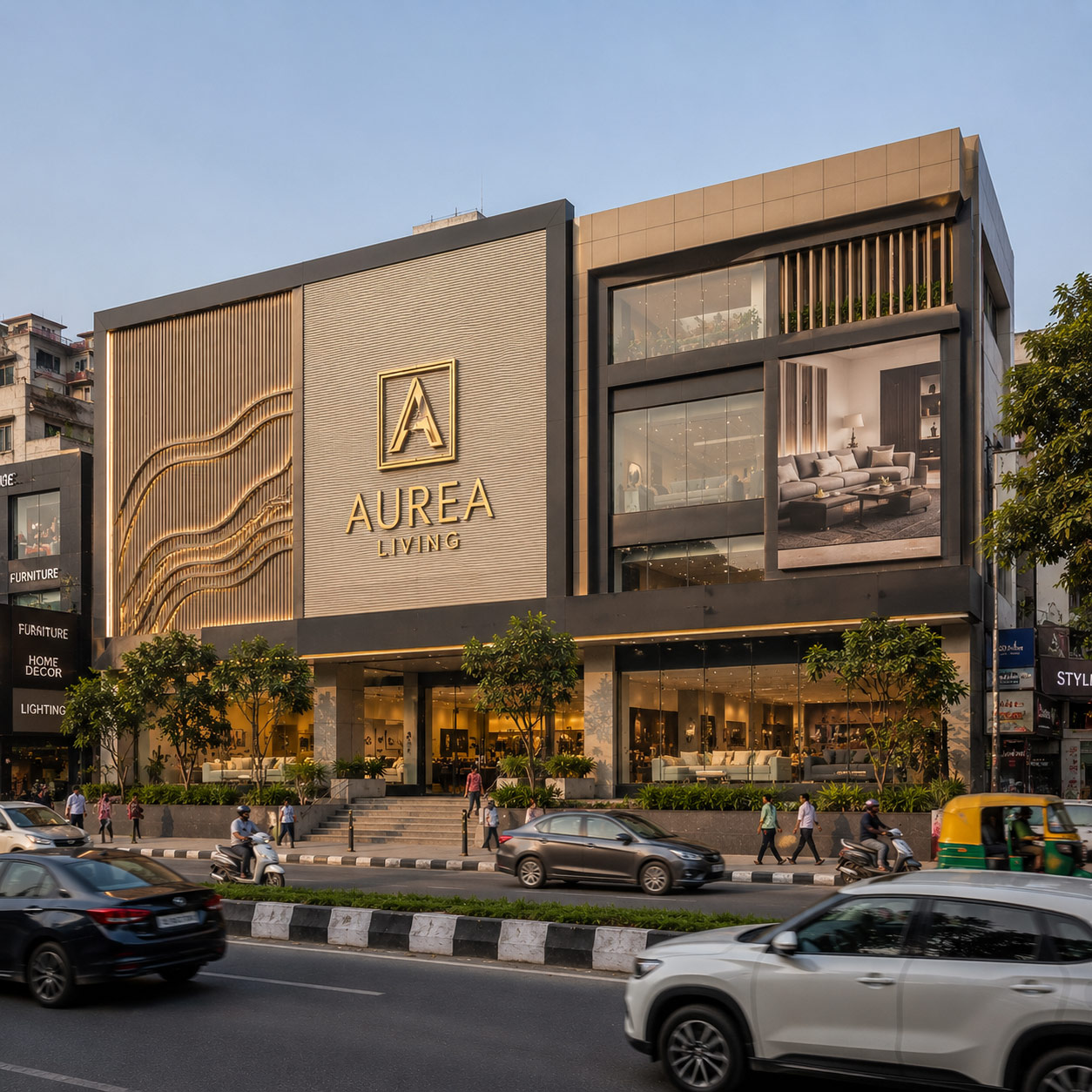
Large exterior walls can become valuable visual assets, particularly for showrooms, dealerships, commercial buildings, and stores with substantial frontage. Building façade branding uses the available architecture to create a coordinated identity rather than treating signage as an isolated element. For example, businesses can combine dimensional elements, graphics, architectural finishes, and carefully positioned signage across selected areas of the façade. However, the design should respect windows, entrances, structural features, and customer sightlines. Maintaining adequate visual space around important elements can also improve clarity. When properly planned, façade treatment can make an entire property more recognisable while creating a consistent appearance from multiple viewing angles.
Pylon and Freestanding Signs
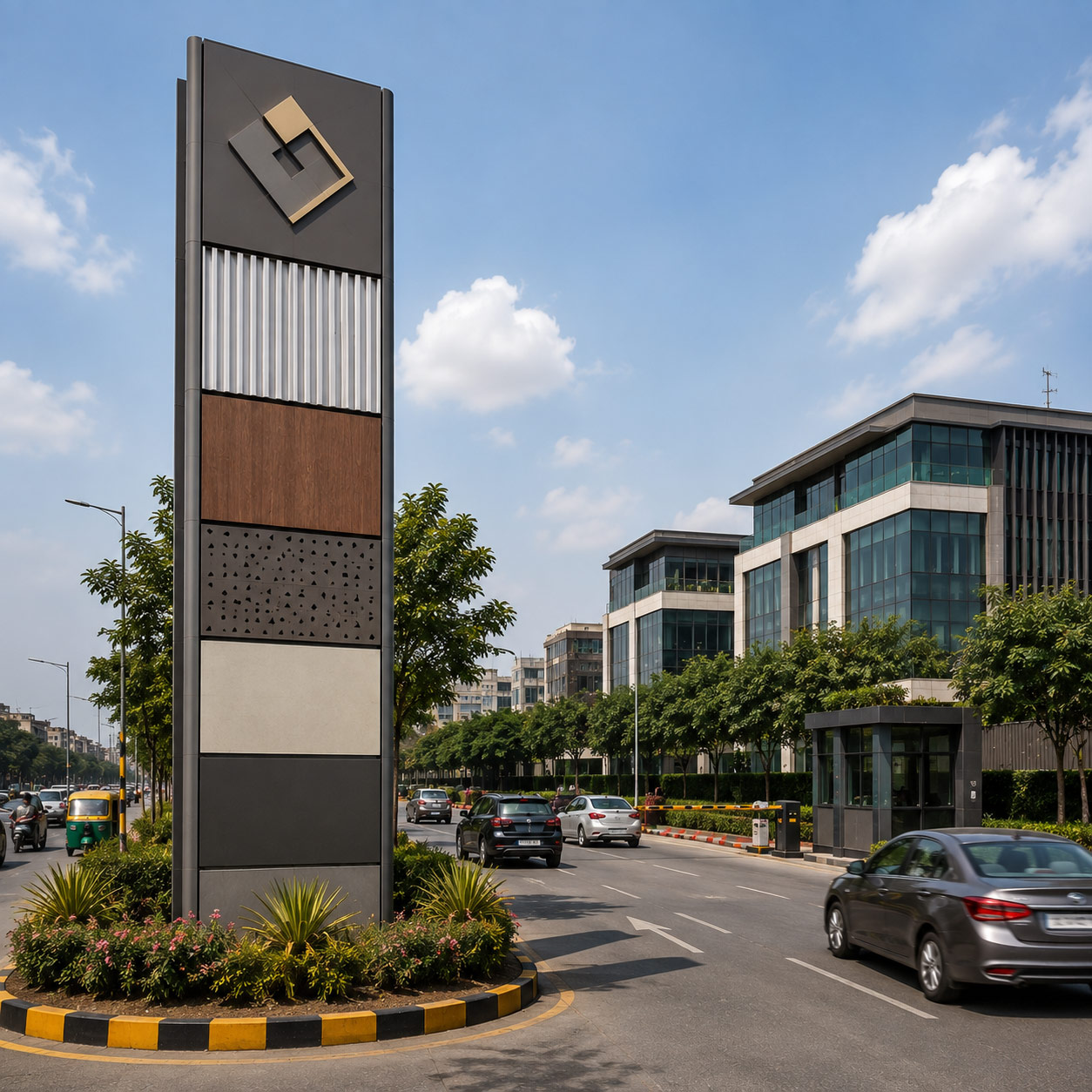
Businesses positioned away from the main road may need an additional identification point closer to passing customers. Pylon and freestanding signs can provide this visibility without depending entirely on the building façade. They are commonly suitable for large retail properties, business parks, dealerships, hospitals, commercial complexes, and locations with substantial setbacks. Additionally, they can help customers identify entrances or understand which businesses operate within a shared property. Sign height, surrounding obstructions, viewing distance, traffic direction, and placement should be evaluated carefully. A well positioned freestanding sign can create an early visual reference before customers reach the actual building or entrance.
Window and Glass Branding
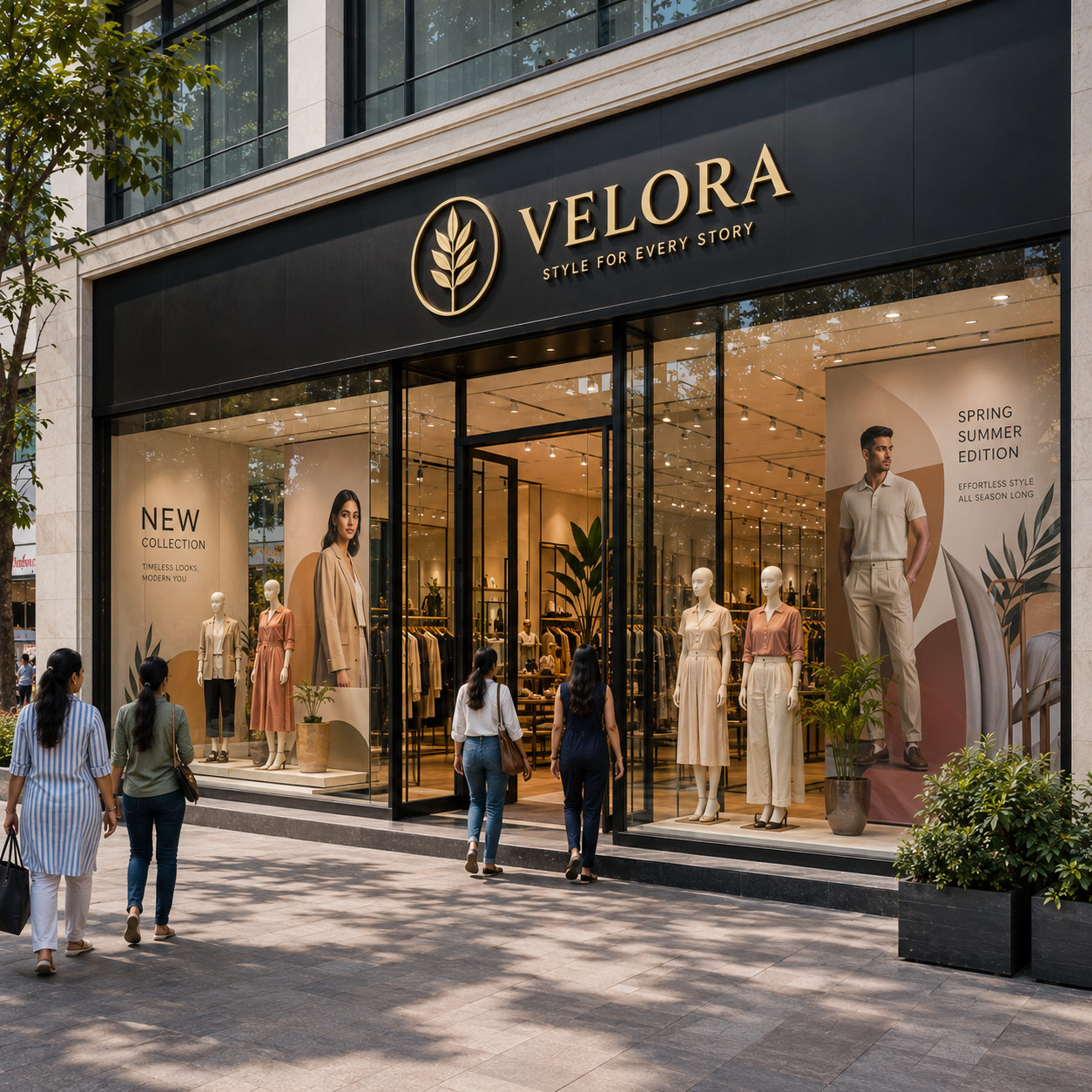
Storefront windows provide useful space for extending visual communication beyond the main sign. Window and glass branding can support identity, promotional campaigns, privacy requirements, seasonal communication, or product focused graphics. Moreover, businesses can update selected window elements more frequently than permanent exterior signage, making them suitable for changing campaigns. The design should avoid covering the entire storefront unnecessarily, particularly when visibility into the store contributes to customer interest. Colours and graphics should also coordinate with the main exterior identity. When balanced correctly, window treatments can make otherwise unused glass surfaces more engaging while maintaining a clear and organised appearance across the storefront.
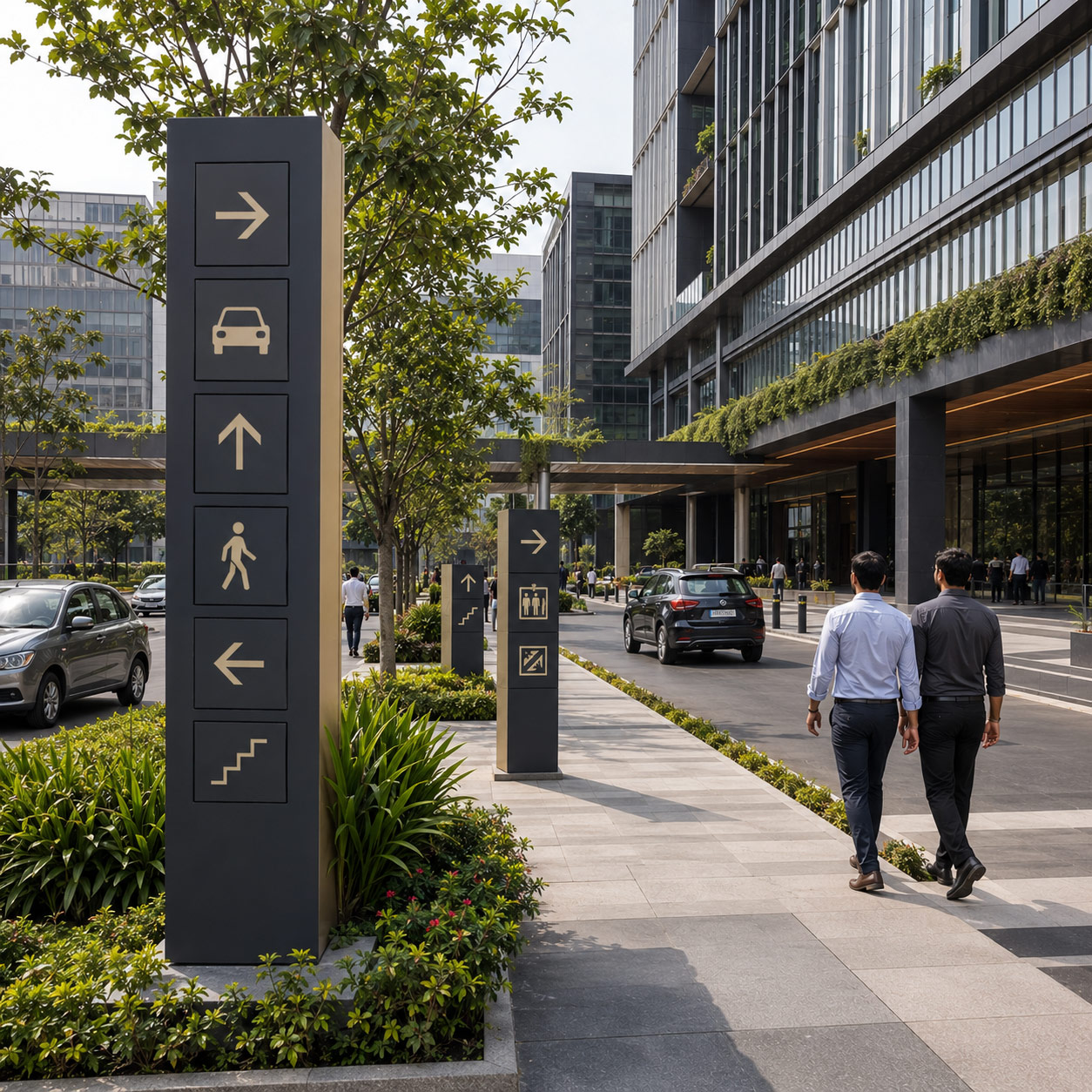
Directional and Wayfinding Branding
Outdoor communication can also help customers navigate a property. Directional and wayfinding signage can guide visitors towards entrances, parking areas, different buildings, departments, or service locations while maintaining a consistent visual identity. This is particularly useful for large commercial properties, business parks, hospitals, shopping destinations, dealerships, and locations with multiple access points. Moreover, clear directions can reduce confusion and create a more organised visitor experience. Arrows, symbols, lettering, colours, and sign placement should remain easy to understand at a glance. When wayfinding elements follow the same visual language as the main signage, functional information can also reinforce recognition throughout the property.
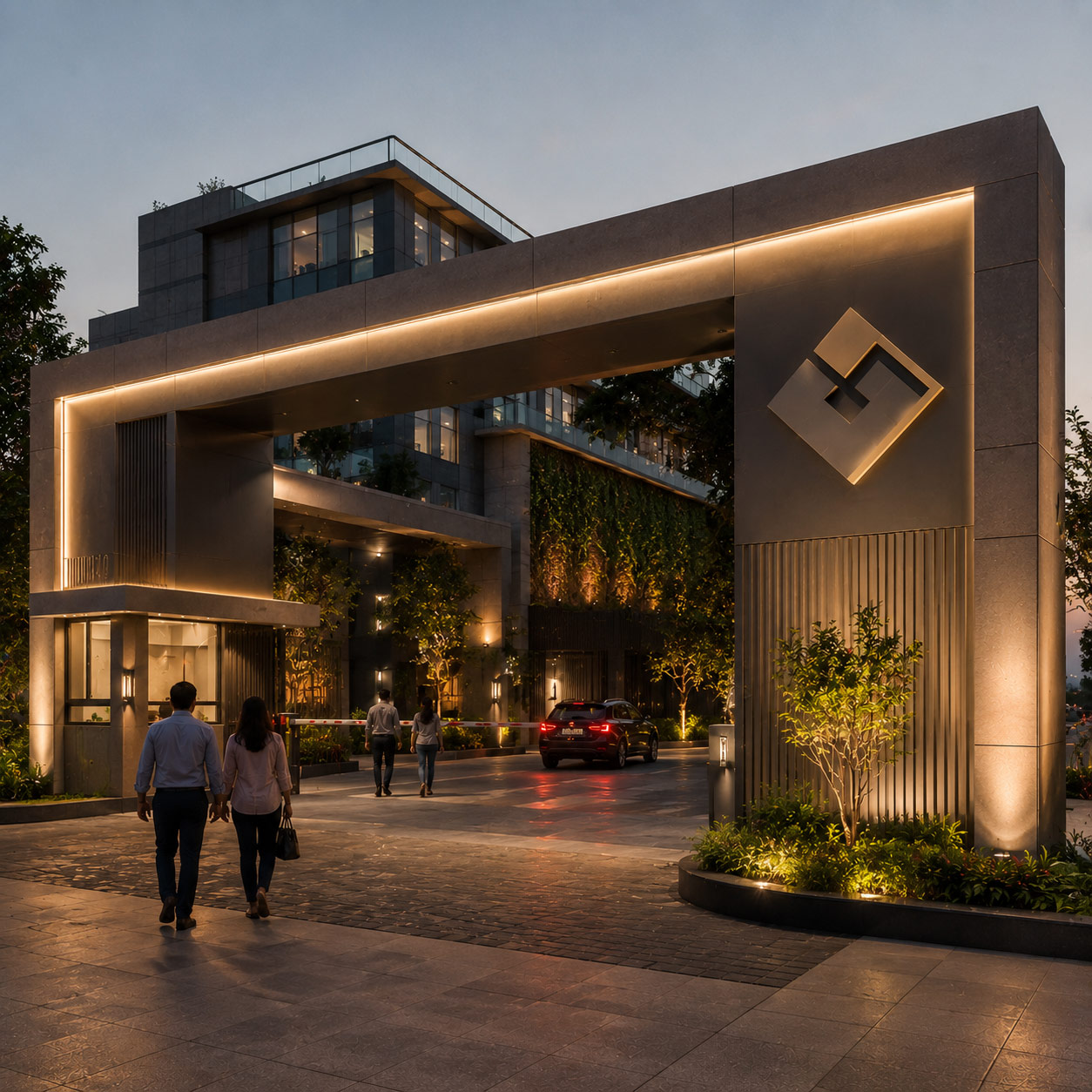
Entrance and Gateway Branding
The entrance is often one of the closest interaction points between customers and a physical location. Therefore, treating it as a dedicated visual element can strengthen the transition from the exterior environment into the business. Entrance branding may combine architectural structures, dimensional lettering, illumination, graphics, or coordinated finishes around doors and access points. However, the design should remain functional and should not obstruct customer movement or important information. This approach is particularly suitable for large showrooms, offices, commercial complexes, hospitality locations, and premium stores. A distinctive entrance can make the property easier to identify while creating a more considered and professional arrival experience.
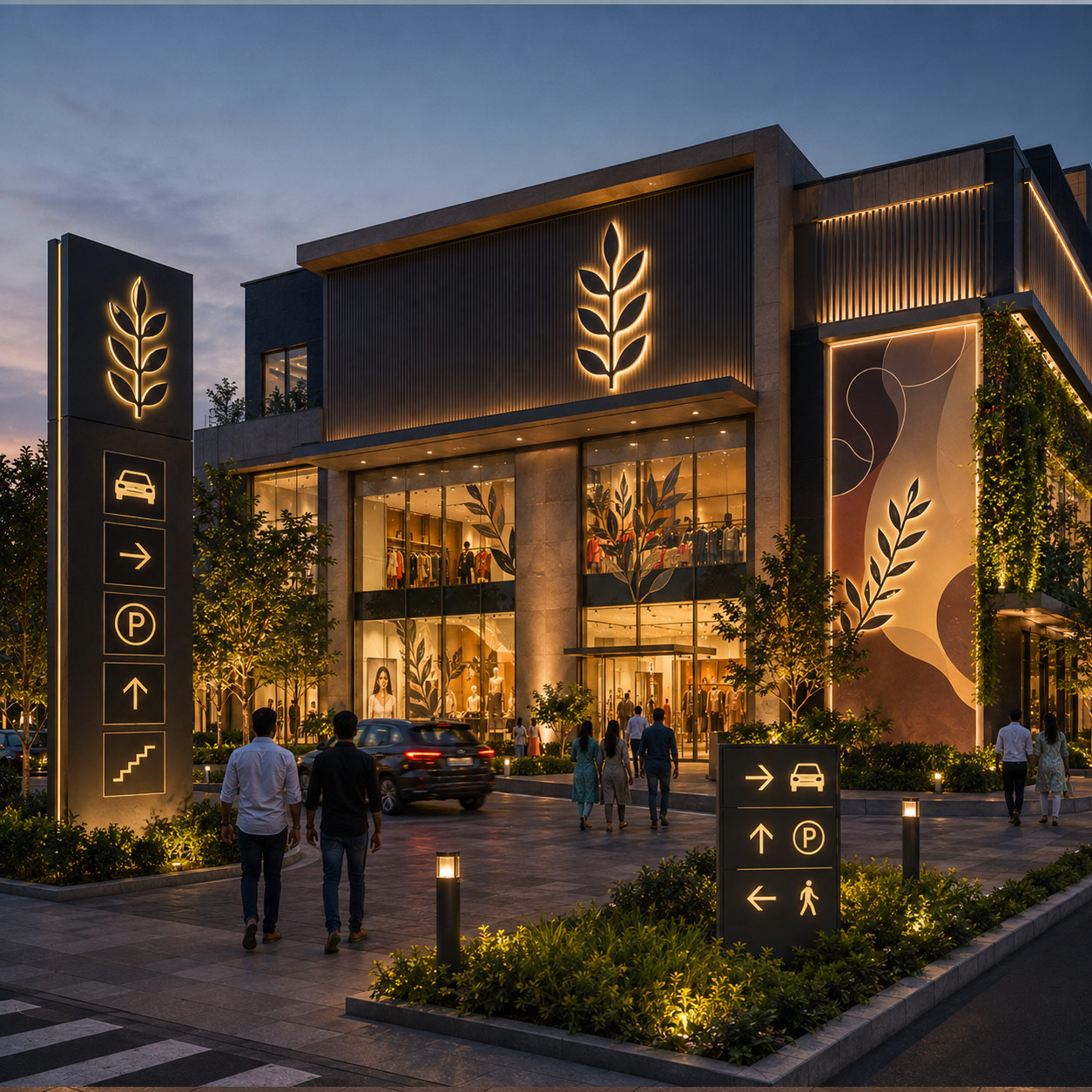
Integrated Outdoor Branding
A strong exterior presence does not always depend on one signage format. Instead, businesses can combine several elements to create a coordinated visual system. For example, a retail store could use illuminated letters for primary identification, window graphics for campaigns, directional signs for navigation, and façade elements to reinforce its visual character. However, each component should share consistent colours, typography, proportions, and design principles. This prevents the exterior from appearing cluttered or disconnected. Integrated planning is particularly useful for larger properties with multiple customer touchpoints. As a result, customers experience a more consistent identity as they approach, enter, and navigate the location.
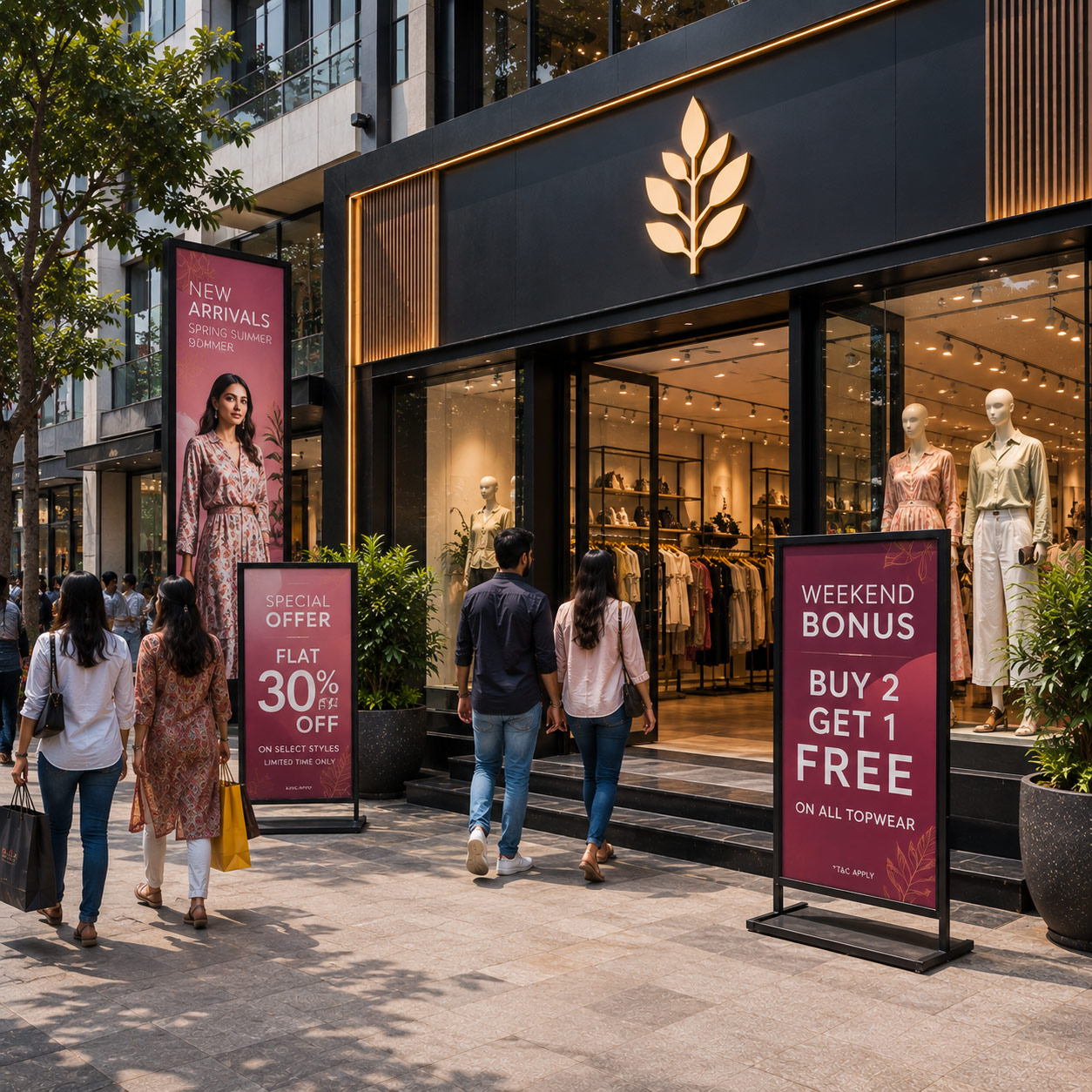
Outdoor Promotional Displays
Permanent signage identifies a location, while outdoor promotional displays can communicate changing campaigns and offers. These displays may support product launches, seasonal promotions, store openings, special events, or limited period campaigns. Therefore, they should be designed for quick understanding rather than carrying excessive information. Placement near entrances or high movement areas can help attract attention while customers approach the store. Additionally, temporary displays should complement permanent signage rather than obstructing it. Businesses can use suitable freestanding structures or promotional display formats according to available space. Consistent colours and visual treatment can help temporary campaigns remain connected with the overall identity of the location.
Why ChooseGogia Print-O-Grafix?
Effective outdoor branding requires the right combination of design, materials, fabrication, illumination, and installation. Gogia Print-O-Grafix provides customised signage and printing solutions designed around the location, visibility requirements, and identity of each business.
From LED Letter Signs and dimensional signage to façade graphics and other outdoor applications, the focus remains on creating a professional finish with strong visual impact. Every project can be planned according to viewing distance, available space, architectural conditions, and day or night visibility.
Businesses can benefit from:
- Customised Solutions: Signage developed according to specific site and design requirements.
- Quality Fabrication: Attention to materials, finishing, proportions, and durability.
- Professional Installation: Careful execution for a clean and organised appearance.
- Multiple Applications: Solutions suitable for retail stores, offices, showrooms, restaurants, and commercial spaces.
- End to End Support: Assistance from planning and production through final installation.
Looking to improve your outdoor presence? Submit the enquiry form to Gogia Print-O-Grafix and discuss the right signage approach for your location.
Fill the Enquiry Form Below!
Conclusion
Effective outdoor branding can transform a physical location into a strong visual touchpoint that attracts attention, improves recognition, and helps customers identify a business more easily. However, achieving maximum visibility is not simply about installing a larger or brighter sign. Successful execution requires careful consideration of viewing distance, readability, placement, illumination, surrounding architecture, operating hours, and consistency with the overall visual identity.
From LED Letter Signs and dimensional lettering to illuminated fascia signage, façade graphics, window branding, freestanding signs, promotional displays, and wayfinding elements, businesses have several options to strengthen their outdoor presence. Each format serves a different purpose. Therefore, the right selection should depend on the location, available exterior space, customer movement, visibility requirements, and the impression the business wants to create.
Additionally, combining multiple elements can create a more coordinated experience. For example, prominent storefront signage can establish the primary identity, while window graphics and directional displays can support customers as they approach and navigate the property.
We hope these outdoor branding ideas have provided useful information and helped you understand the different possibilities available for your location. Careful planning and professional execution can ensure that every element contributes to a clear, consistent, and memorable presence.
If you require additional information or need help planning signage for your retail store, showroom, office, restaurant, or commercial property, connect with Gogia Print-O-Grafix. Share your requirements through the enquiry form to discuss an approach suited to your location, visibility needs, and project objectives.

Related Posts
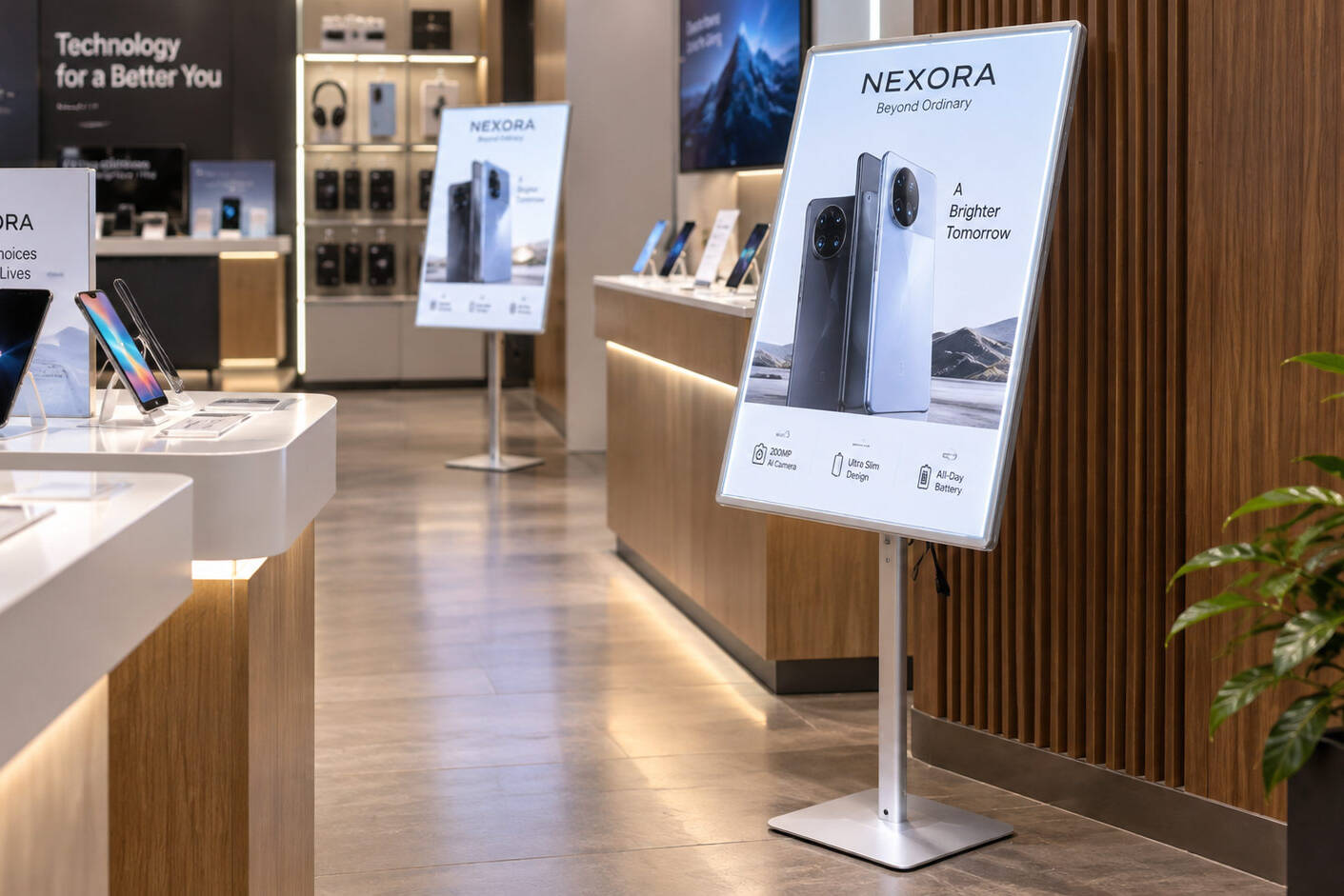
10 Ways Retail Network Branding Creates Consistent Customer Experiences
Discover how standardised LED promotional frames help brands create consistent…


Shop Renovation Ideas That Do Not Require Major Interior Changes
Explore practical shop renovation ideas that refresh customer facing spaces…
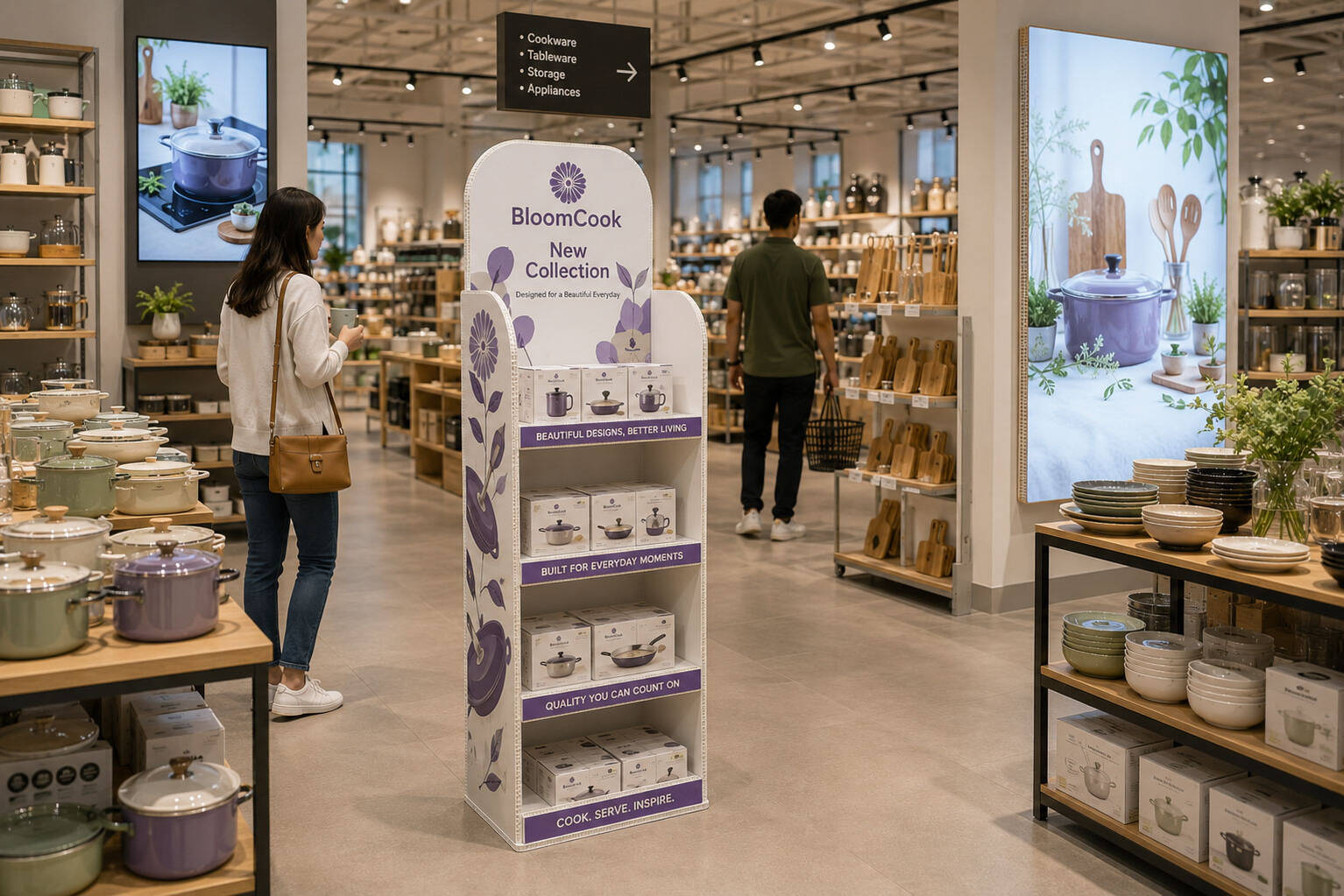
10 Ways to Improve Product Visibility in Retail Stores
Discover practical display, placement, lighting and merchandising ideas that…